
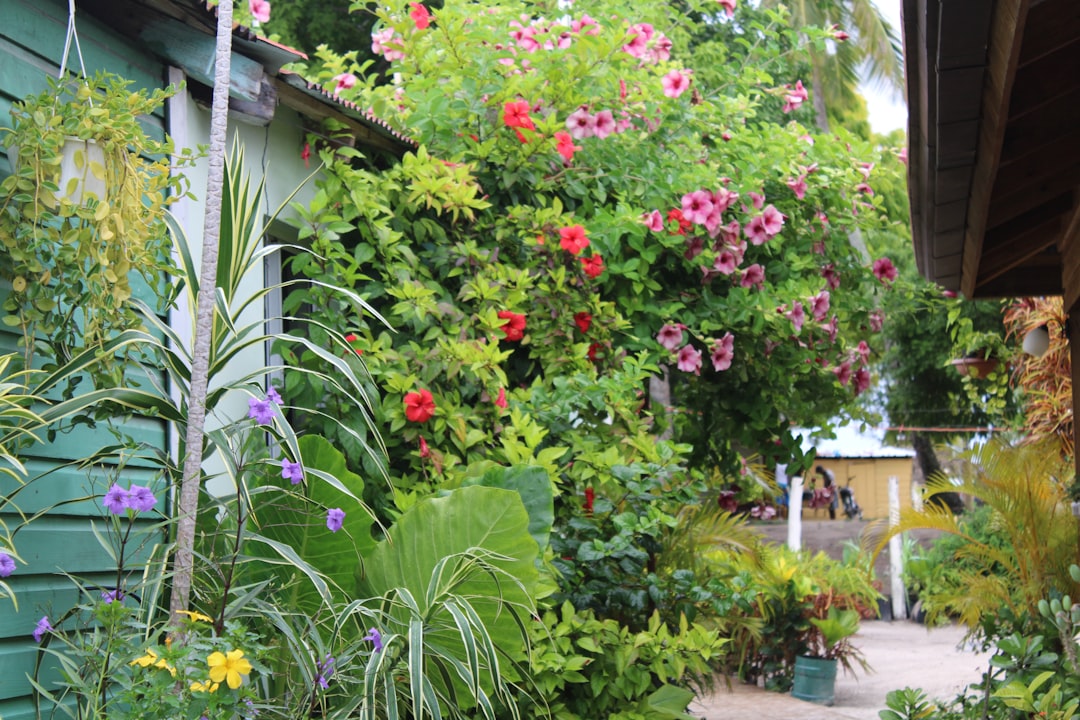
Container gardening has become a popular choice for many gardening enthusiasts, offering flexibility and the ability to grow plants in limited spaces. One crucial aspect of container gardening is the choice of potting soil, and vermiculite is a material that often comes into consideration. In this article, we will delve into the pros and cons of vermiculite in potting soil to help you determine if it's the right fit for your container - grown plants.
Let's start with the advantages of using vermiculite in potting soil. First and foremost, vermiculite has excellent water - holding capacity. In container gardens, where the soil volume is limited, this is a significant benefit. It can absorb and retain large amounts of water, which means that your plants are less likely to dry out quickly. This is especially useful for plants that require consistent moisture, such as ferns and some tropical plants. The water held by vermiculite is gradually released to the plant roots, providing a steady supply of hydration.
Another advantage is its ability to improve soil aeration. Vermiculite has a lightweight and porous structure. When mixed with potting soil, it creates air pockets within the soil matrix. These air pockets allow oxygen to reach the plant roots. Adequate oxygen supply is essential for root respiration, which in turn promotes healthy root growth. In container gardening, proper aeration is often a challenge due to the confined space, and vermiculite helps to address this issue.
Vermiculite also has a neutral pH, which is beneficial for a wide range of plants. It doesn't significantly alter the soil's pH level, allowing you to create a more balanced growing environment. This is important because different plants have different pH preferences, and maintaining a suitable pH can affect nutrient availability to the plants.
Moreover, vermiculite is rich in minerals such as magnesium, potassium, and calcium. These minerals can be slowly released into the soil over time, providing a natural source of nutrients for your plants. This can reduce the need for frequent fertilization, especially for plants with relatively low nutrient requirements.
However, there are also some drawbacks to using vermiculite in potting soil. One of the main concerns is its cost. Vermiculite can be relatively expensive compared to other soil amendments. For large - scale container gardening projects, the cost of using vermiculite can add up quickly, making it a less economical choice for some gardeners.
Another potential issue is its long - term stability. Over time, vermiculite can break down, especially if it is exposed to frequent wetting and drying cycles. As it breaks down, its water - holding and aeration properties may be reduced. This means that you may need to replace the potting soil more frequently to maintain optimal growing conditions for your plants.
There is also a risk of contamination. In the past, some vermiculite products were found to be contaminated with asbestos, a harmful fibrous mineral. Although strict regulations are now in place to ensure that commercial vermiculite is asbestos - free, there is still a small risk, especially when using older or uncertified products. It's crucial to purchase vermiculite from reputable suppliers to minimize this risk.
When deciding whether to use vermiculite in your container gardening, you need to consider the specific needs of your plants. If you are growing plants that require high moisture and good aeration, and cost is not a major concern, vermiculite can be an excellent choice. On the other hand, if you are on a tight budget or have concerns about long - term stability, you may want to explore other soil amendments.
There are alternatives to vermiculite that you can consider. Perlite is a popular option. It is also lightweight and helps with soil aeration, but it has a lower water - holding capacity compared to vermiculite. Coconut coir is another alternative. It is an environmentally friendly option that has good water - holding and aeration properties, and it is generally more affordable than vermiculite.
In conclusion, vermiculite can be a valuable addition to potting soil in container gardens, offering benefits such as water retention, aeration, and nutrient supply. However, its cost, long - term stability, and potential contamination issues need to be carefully considered. By weighing the pros and cons and understanding the needs of your plants, you can make an informed decision about whether vermiculite is the right choice for your container gardening endeavors.