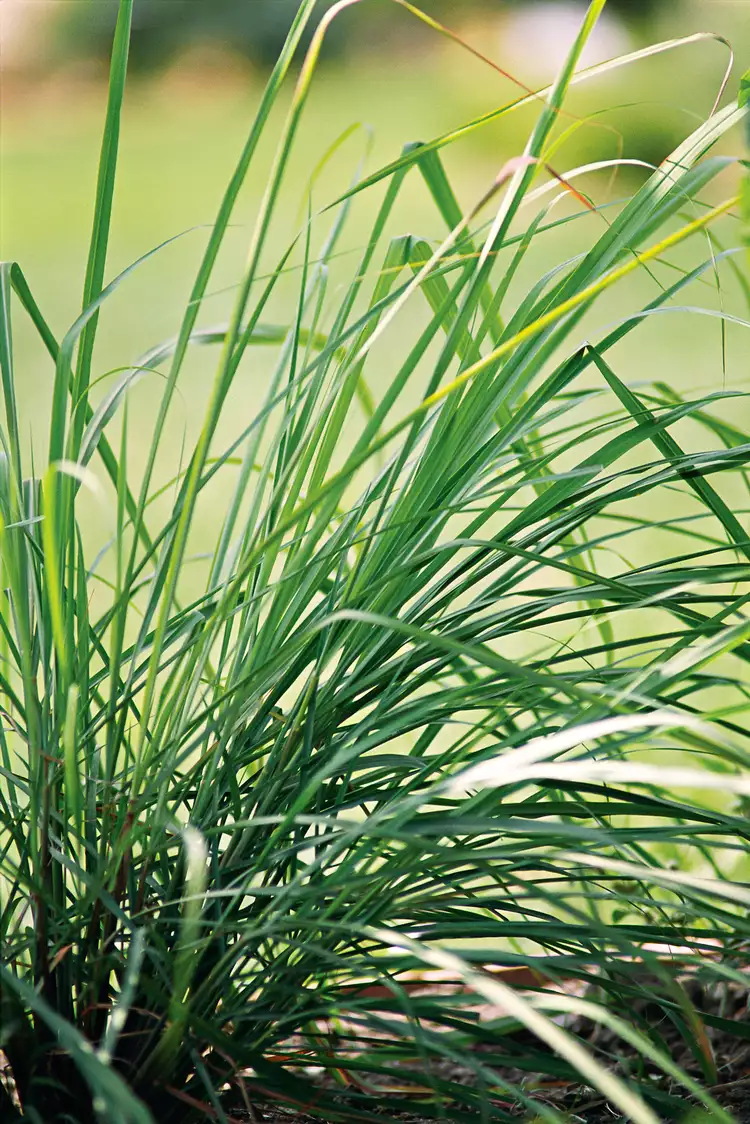
Growing lemongrass in your garden is an easy way to enjoy the fragrance and flavor of citrus. Just by brushing against the leaves of this tropical grass, you can experience its soft lemon scent. This popular herb also can add refreshing lemon flavor to tea as well as a variety of recipes, such as favorite chicken, pork, or fish dishes. But before you plant it in your garden, find out if lemongrass should be treated as a perennial or annual where you live so you can give it all the care it needs before frost arrives. Here's what you need to know about caring for lemongrass according to your hardiness zone and how to overwinter this herb if needed.
Will Lemongrass Grow Back After Winter?
Determining whether lemongrass is a perennial or annual is easy with a little research about its temperature tolerance. Technically, lemongrass is a frost-tender perennial grass. "Frost-tender” is important to note because although lemongrass is a perennial, the plant is only winter hardy in USDA Zones 10-11 where it's evergreen (it stays green all year round).
In other words, if lemongrass is planted in colder areas outside of Zones 10-11, it will not survive winter conditions or grow back after winter. Lemongrass will act more like an annual and not return in the spring in areas that can experience temperatures below freezing such as Zone 5. So, take a glance at the USDA Plant Hardiness Zone Map if you don't already know which hardiness zone you live in.
Growing Lemongrass in Pots
It’s easy to grow lemongrass because it's a fast grower even with minimal care. The dense foliage can grow up to 3 feet tall and wide in one growing season. One way to keep its growth contained is by planting a potted stalk from a nursery or seed company in a pot that’s at least 14 inches across. Or, you can purchase a fresh stalk of lemongrass from grocery stores specializing in Southeast Asian cuisine and root the stalk in a glass of water before you plant it.
Don't be tempted to plant multiple lemongrass stalks together in the pot, because it will quickly become too crowded. And make sure the pot has drainage holes, is filled with fresh potting soil, and is placed in a spot that gets full sun. The vibrant green foliage adds an eye-catching grassy texture to mixed container gardens, plus growing lemongrass in pots makes it easier to move the plant indoors for the winter.
How to Overwinter Lemongrass Indoors
If you live in a warmer region (Zones 10-11), you can grow lemongrass all year long near a backyard pond or other consistently damp area as long as the temperatures stay above 50°F. But if you live in colder regions, you’ll need to prepare to take lemongrass indoors before cold weather arrives because the plant won’t survive freezing temperatures.
Pot It Up
The best way to prepare lemongrass for overwintering is to dig up a few stalks and trim them down so that they’re just a few inches tall. Then plant them in a container that’s large enough to allow some growth. Do this by partially filling the pot with the potting soil. Then, set the root ball on top of the soil, fill in around it with more soil, and water the plant thoroughly.
To help the plants acclimate to their new surroundings, leave the newly potted lemongrass stalks in a shaded location outdoors for about a week. Right before you bring the plant indoors, check leaves for any insects. Rinse off the foliage to chase away any lingering bugs.
Put It on a Windowsill
You can help your lemongrass thrive during winter by putting it on an indoor windowsill or hang it in a window that receives at least six hours of sun daily. You can also use a grow light if there's not enough natural light. Water it when the top inch of soil feels dry. When spring arrives, wait to relocate your lemongrass outdoors until temperatures stay above 40°F. This herb will quickly begin to grow more leaves again and develop its full flavor during summer's heat.
How to Prune Lemongrass
If you live in warmer areas, the best time to prune lemongrass is in early spring before the new growth gets going. You can prune the plants back to within 3-5 inches of the ground to bring them back after they go dormant in the winter. If you live in colder regions, harvesting the leaves for cooking during the summer is enough to stimulate the plant’s growth.
How to Harvest Lemongrass
During the summer months, you can harvest the leaves of lemongrass anytime by cutting a stalk that’s very close to the base of the plant. It’s best to use the lower, whitish portion of the stalk up to where the leaves begin to branch to flavor tea, sauces, soups, and curry dishes. To harvest whole stalks of lemongrass, cut the stalks when they're roughly 2-1/2 inches long and nearly an inch wide at the base.