
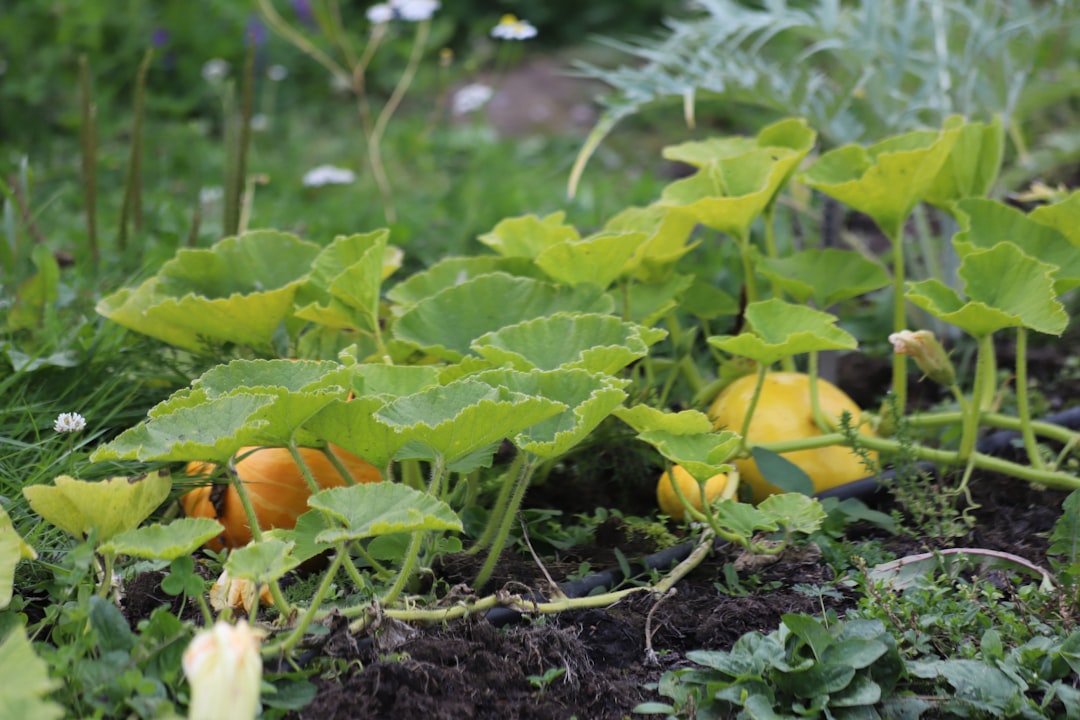
Edible gardening is a rewarding pursuit, especially when it comes to growing your own fruit. Among the many fruits you can cultivate in your garden, strawberries stand out as a popular choice. Not only are they delicious, but they are also relatively easy to grow. One of the most cost - effective ways to expand your strawberry patch is by planting strawberry runners. This method allows you to multiply your existing plants for free. In this article, we'll explore the ins and outs of properly planting strawberry runners to grow more fruit.
First, let's understand what strawberry runners are. Strawberry runners are long, thin stems that grow out from the main strawberry plant. These runners will develop small plantlets at various intervals along their length. These plantlets have the potential to become fully - fledged strawberry plants if given the right conditions. This natural propagation method is a great way for strawberries to spread and colonize new areas in the wild, and we can take advantage of it in our gardens.
Before you start planting strawberry runners, it's important to choose the right time. The best time to plant strawberry runners is in the late summer or early fall. At this time, the weather is still warm enough for the new plants to establish their root systems, but not so hot that they will be stressed. You can also plant them in the spring, but late summer/early fall generally gives the plants a better head - start for the following growing season.
To begin the process, you need to select healthy runners from your existing strawberry plants. Look for runners that are long, strong, and have well - developed plantlets. The plantlets should have a few leaves and small roots starting to form. Avoid using runners that are weak, damaged, or have signs of disease. Once you've selected the runners, you can either leave them attached to the mother plant for a short while longer or carefully detach them.
If you choose to leave the runners attached to the mother plant, you can simply peg the plantlets down into small pots filled with a well - draining potting mix. Make sure the roots of the plantlet are in contact with the soil. Water the pots regularly to keep the soil moist. This way, the plantlet can continue to receive some nutrients from the mother plant while it establishes its own root system. After a few weeks, when the plantlet has developed a strong root system, you can then detach it from the mother plant.
If you prefer to detach the runners right away, gently separate the plantlet from the runner using a sharp, clean pair of scissors or pruning shears. Place the plantlet in a pot filled with potting mix. Water it thoroughly and place it in a shaded area for a few days to help it recover from the shock of being detached. Once it has acclimated, you can move it to a sunnier location.
When it comes to planting the established strawberry plantlets in the garden, choose a location that receives at least 6 - 8 hours of sunlight per day. The soil should be rich, well - draining, and slightly acidic. Prepare the soil by adding compost or well - rotted manure to improve its fertility. Dig small holes in the soil, spaced about 12 - 18 inches apart. Place the plantlets in the holes, making sure the crown of the plant (where the leaves meet the roots) is level with the soil surface. Backfill the holes with soil and gently firm it around the plantlets.
After planting, water the newly planted strawberry plants deeply. Mulch around the plants with straw or shredded leaves to help retain moisture, suppress weeds, and keep the berries clean. Regularly water the plants, especially during dry spells. Fertilize the plants every few weeks with a balanced fertilizer formulated for strawberries. This will provide them with the necessary nutrients to grow and produce an abundance of fruit.
As the new strawberry plants grow, you may need to prune off any additional runners that develop. This will help the plants focus their energy on fruit production rather than spreading. You can also thin out any overcrowded plants to ensure good air circulation, which reduces the risk of diseases such as powdery mildew and gray mold.
Harvesting strawberries is one of the most exciting parts of growing them. Once the strawberries are fully ripe, they will be bright red and easily come off the stem when gently pulled. Enjoy the fruits of your labor fresh, or use them in a variety of delicious recipes such as strawberry shortcake, smoothies, or jams.
In conclusion, planting strawberry runners is a simple and cost - effective way to expand your strawberry patch and grow more fruit. By following these steps, you can ensure that your new strawberry plants thrive and provide you with a bountiful harvest for years to come. So, roll up your sleeves, get out into the garden, and start multiplying your strawberries for free!