
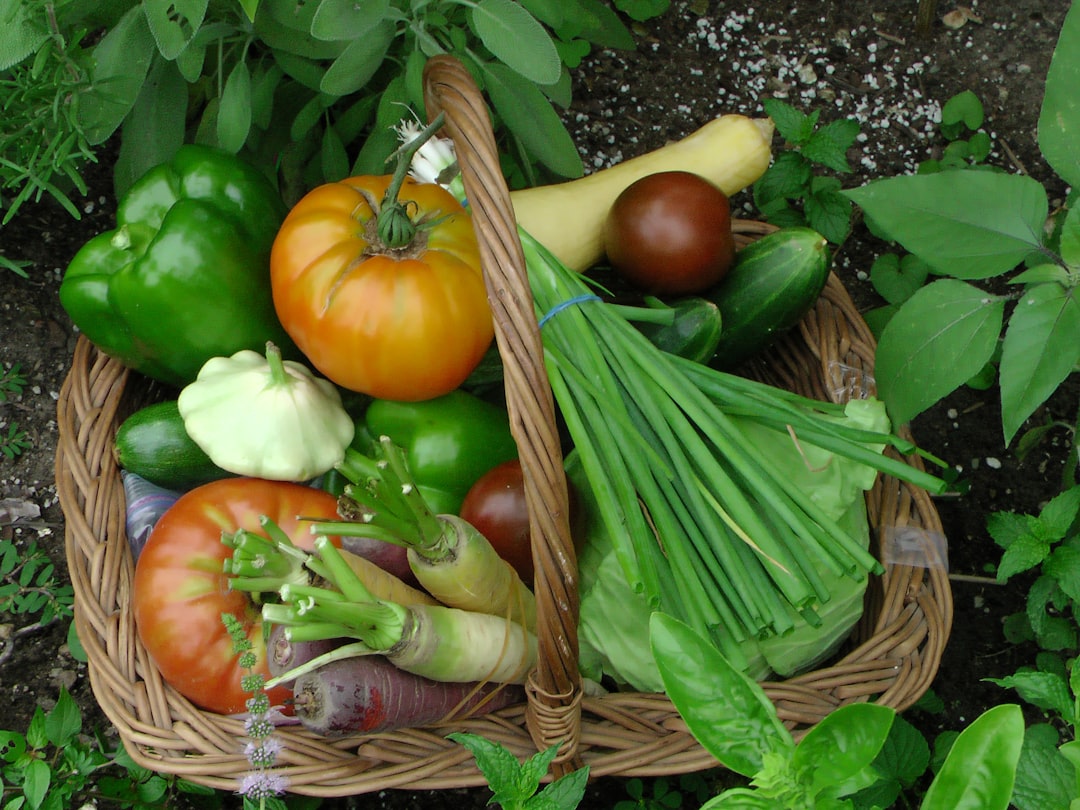
Edible gardening is a rewarding endeavor that allows you to enjoy fresh, home - grown produce. One of the most common questions among gardeners is, “When is harvest season?” In this article, we will explore the tell - tale signs for harvesting nine popular crops at their prime.
Let's start with tomatoes. These juicy fruits are a staple in many gardens. A ripe tomato should have a vibrant color, whether it's red, yellow, or another variety. Gently squeeze the tomato; it should give slightly but not be too soft. The skin should be smooth and free of blemishes. When you pick a tomato, you can easily twist it off the vine. If it resists, it might need a few more days on the plant. Tomatoes are at their best when they are fully colored and have a rich, sweet flavor.
Next up are cucumbers. For slicing cucumbers, they should be firm and have a dark green color. Avoid cucumbers that are yellowing or have a dull appearance. The size also matters; they are usually ready to harvest when they are 6 - 8 inches long. Pickling cucumbers are typically smaller, around 3 - 4 inches. When you cut into a cucumber, the flesh should be crisp and not spongy. You can use a sharp knife or pruning shears to cut the cucumber from the vine, leaving a short stem attached.
Peppers, both sweet and hot, have their own harvest indicators. Sweet peppers, like bell peppers, change color as they ripen. Green bell peppers can be harvested, but they are more nutritious and flavorful when they turn red, yellow, or orange. The peppers should be firm and have a shiny surface. Hot peppers, such as jalapeños, are ready when they are a deep green or start to turn red. They should be plump and have a smooth texture. Use scissors to cut the peppers from the plant.
Carrots are root vegetables, and it can be a bit tricky to know when they are ready. Gently brush away the soil around the top of the carrot. If the carrot has reached a good size, usually about 1/2 - 1 inch in diameter at the top, it's likely ready. The color of the carrot should be bright and uniform. Pull the carrot out carefully; if it resists, it might need more time to grow. Carrots are sweetest when they are fully mature.
Lettuce is a fast - growing leafy green. You can start harvesting lettuce as soon as the leaves are big enough to eat. For loose - leaf lettuce, simply pick the outer leaves, and the plant will continue to grow. Head lettuce, like iceberg, is ready when the head is firm and well - formed. Cut the lettuce at the base of the plant with a sharp knife.
Beans, whether they are green beans or pole beans, are ready when they are tender and snap easily. The beans should be long and straight, with no signs of bulging seeds. If the beans are starting to look plump and the seeds are visible through the skin, they are overripe. Use your fingers to snap the beans off the plant.
Onions are ready for harvest when the tops start to turn yellow and fall over. Gently lift the onions out of the soil with a garden fork. Let them dry in a well - ventilated area for a few days before storing. The outer skin of the onion should be dry and papery.
Garlic is similar to onions. The leaves of the garlic plant will start to turn brown and wither when it's time to harvest. Use a garden fork to carefully dig up the garlic bulbs. After harvesting, let the garlic dry in a warm, dry place for a couple of weeks. The cloves should be firm and well - formed.
Strawberries are a delicious treat. They are ready to pick when they are fully red and have a sweet aroma. Gently grasp the strawberry by the stem and pull it off the plant. Avoid squeezing the berries, as they are delicate. Strawberries are best eaten fresh, but you can also preserve them for later use.
By knowing these signs for each of these nine popular crops, you'll never have to wonder “When is harvest season?” again. Enjoy the fruits (and vegetables) of your labor and savor the taste of home - grown produce at its prime.