
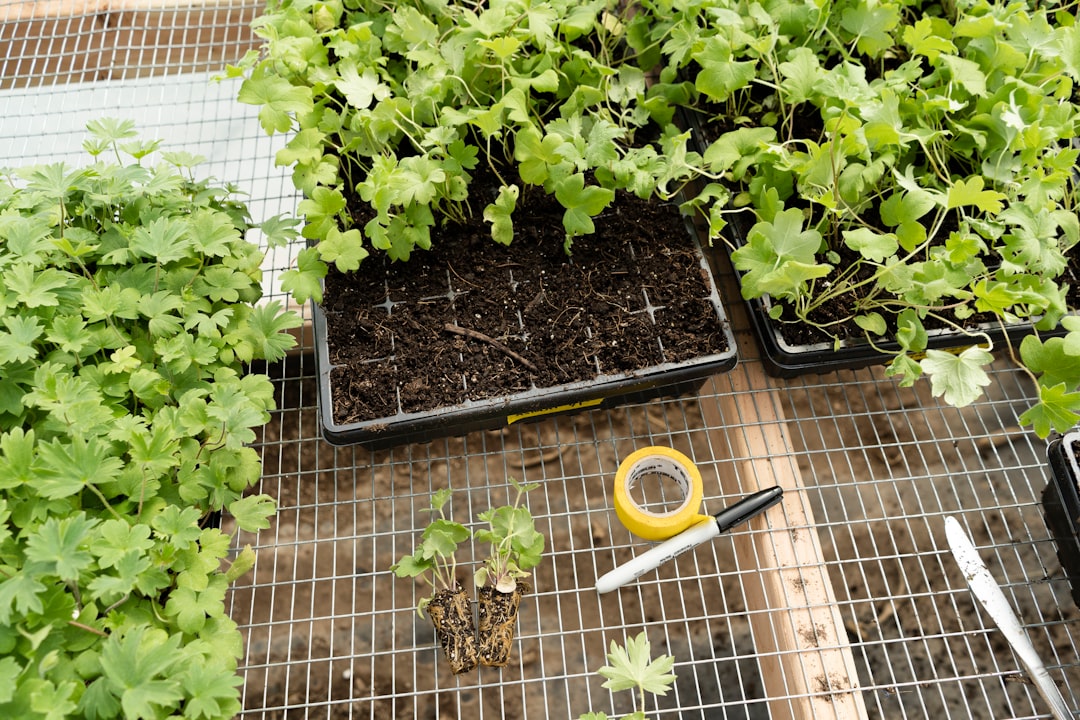
Edible gardening is a rewarding hobby that offers a sense of self - sufficiency and a constant supply of fresh, flavorful ingredients. Among the many herbs that can be grown in an edible garden, chives stand out as a versatile and easy - to - care - for option. In this article, we'll explore how to harvest chives to keep your plants productive all season long and provide storage tips to help your harvested chives last as long as possible.
Chives, a member of the allium family, are known for their mild onion - like flavor and are commonly used in a variety of dishes, from soups and salads to omelets and dips. They are also a beautiful addition to any garden, with their slender, green leaves and purple flower clusters.
When to Harvest Chives
The best time to start harvesting chives is when the plants are about 6 - 8 inches tall. This usually occurs a few weeks after the first shoots emerge in the spring. You can continue to harvest chives throughout the growing season, but it's important to follow some guidelines to ensure the health and productivity of your plants.
One key rule is to never cut more than one - third of the plant at a time. This allows the chives to recover quickly and continue to grow. If you cut too much, the plant may become stressed and its growth may be stunted.
How to Harvest Chives
Harvesting chives is a simple process. All you need is a pair of sharp, clean scissors or pruning shears. Here's a step - by - step guide:
- Select the leaves you want to harvest. Look for the outer, older leaves, as these are the ones that are ready to be cut. Avoid cutting the younger, inner leaves, as they need more time to grow.
- Hold the leaves firmly at the base, close to the soil. Make a clean cut about 1 - 2 inches above the soil level. This will encourage new growth from the base of the plant.
- Continue harvesting leaves as needed, but remember to leave enough foliage on the plant to keep it healthy. If you want to harvest a large amount of chives at once, you can cut the entire plant back to about 2 - 3 inches above the soil. The chives will quickly regrow.
Encouraging Continuous Growth
To keep your chive plants productive all season long, there are a few things you can do. First, make sure they are getting enough sunlight. Chives prefer full sun but can tolerate partial shade. They also need well - drained soil that is rich in organic matter.
Regular watering is essential, especially during dry periods. However, be careful not to over - water, as chives don't like soggy soil. A good rule of thumb is to water when the top inch of soil feels dry to the touch.
Fertilizing your chive plants every few weeks with a balanced, all - purpose fertilizer can also help promote growth. You can use a liquid fertilizer or a slow - release granular fertilizer, following the instructions on the package.
Storage Tips for Harvested Chives
Once you've harvested your chives, you'll want to store them properly to keep them fresh for as long as possible. Here are some storage methods:
Refrigerator Storage
One of the simplest ways to store chives is in the refrigerator. First, wash the chives thoroughly and pat them dry with a paper towel. Then, wrap the chives in a damp paper towel and place them in a plastic bag. Seal the bag and store it in the crisper drawer of your refrigerator. This method can keep the chives fresh for up to a week.
Freezing Chives
If you have a large amount of chives and want to store them for a longer period, freezing is a great option. Wash and dry the chives as before. Then, chop them into small pieces and place them in an ice cube tray. Fill each cube with water or olive oil and freeze. Once the cubes are frozen, you can transfer them to a freezer bag. Frozen chives can be used directly in cooking without thawing.
Drying Chives
Drying is another way to preserve chives. Bundle the chives together and hang them upside down in a warm, well - ventilated area. Once they are completely dry, you can crush the leaves and store them in an airtight container. Dried chives can be used in the same way as fresh chives, but they have a more concentrated flavor.
In conclusion, harvesting and storing chives is a simple process that can enhance your edible gardening experience. By following these tips, you can enjoy a continuous supply of fresh chives throughout the growing season and have them on hand for your favorite recipes all year round.