
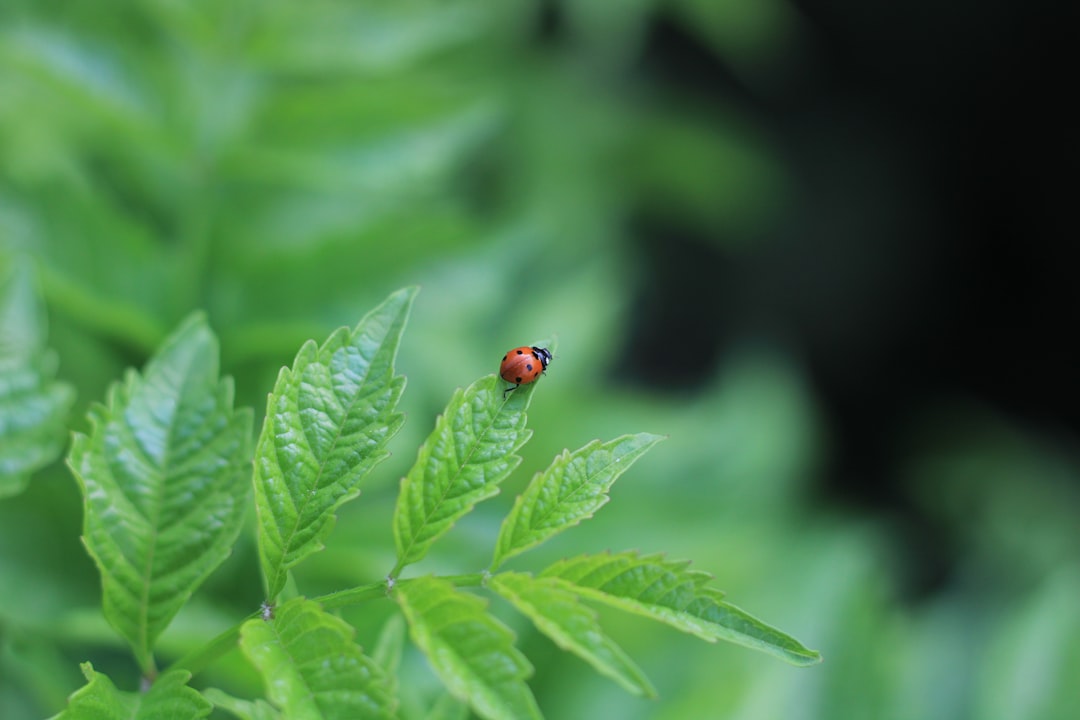
Edible gardening has gained significant popularity in recent years, and one plant that stands out for its culinary and aromatic value is the bay leaf plant. This guide will take you through the ins and outs of growing a bay leaf plant, whether you choose to keep it as a houseplant or let it thrive outdoors in warm climates.
Getting Started with Bay Leaf Plant
The bay leaf plant, also known as Laurus nobilis, is a versatile and attractive addition to any garden or indoor space. It has a long - standing history of use in cooking, adding a distinct flavor to soups, stews, and sauces. When starting with a bay leaf plant, you have a few options. You can purchase a young plant from a nursery, which is often the easiest way. However, if you're feeling adventurous, you can also try growing it from seeds. Keep in mind that growing from seeds can be a bit more challenging and time - consuming.
Indoor Cultivation
Keeping a bay leaf plant as a houseplant is a great option, especially if you live in a region with cold winters. First, you need to select the right container. Choose a pot that has good drainage holes to prevent waterlogging, which can lead to root rot. A well - draining potting mix is essential. You can use a combination of peat moss, perlite, and regular potting soil. Place the plant in a location that receives bright, indirect sunlight. A south - facing window that gets filtered light is ideal.
Watering is a crucial aspect of indoor bay leaf plant care. You should water the plant when the top inch of the soil feels dry to the touch. Over - watering can be detrimental, so it's better to err on the side of caution. Fertilize the plant every few months during the growing season with a balanced, water - soluble fertilizer. This will help it grow healthy and strong. Pruning is also important. You can trim the plant to maintain its shape and encourage bushier growth. Remove any dead or yellowing leaves regularly.
Outdoor Cultivation in Warm Climates
If you live in a warm climate where the temperature rarely drops below freezing, growing a bay leaf plant outdoors is a fantastic option. First, choose a suitable planting location. The plant prefers full sun to partial shade. A spot that gets at least 6 hours of sunlight a day is optimal. Prepare the soil by adding organic matter such as compost or well - rotted manure. This will improve the soil structure and fertility.
When planting the bay leaf plant, dig a hole that is slightly larger than the root ball. Place the plant in the hole and backfill with soil, gently tamping it down. Water the plant thoroughly after planting. In the first few weeks, keep the soil consistently moist to help the plant establish its roots. Once established, the bay leaf plant is relatively drought - tolerant, but it still benefits from regular watering during dry spells.
Outdoor bay leaf plants also need occasional fertilization. Apply a slow - release fertilizer in the spring to provide a steady supply of nutrients throughout the growing season. Pruning is also important for outdoor plants. You can prune it to control its size and shape. Remove any damaged or diseased branches to keep the plant healthy.
Harvesting Bay Leaves
One of the most rewarding aspects of growing a bay leaf plant is harvesting the leaves for cooking. You can start harvesting leaves once the plant is well - established, usually after a couple of years. Pick the leaves as needed, but avoid over - harvesting. It's best to harvest the leaves in the morning when their flavor is at its peak. You can use fresh bay leaves immediately in your cooking or dry them for later use. To dry the leaves, simply place them in a single layer on a tray and let them air - dry in a warm, well - ventilated area. Once dry, store them in an airtight container.
Pest and Disease Management
Like any plant, the bay leaf plant can be susceptible to pests and diseases. Common pests include aphids, scale insects, and spider mites. You can control these pests by using natural remedies such as neem oil or insecticidal soap. Regularly inspect the plant for signs of pests and take action at the first sign of an infestation.
Diseases such as powdery mildew can also affect the bay leaf plant. To prevent powdery mildew, ensure good air circulation around the plant. Avoid overhead watering, as this can create a humid environment that is conducive to the growth of the fungus. If you notice signs of powdery mildew, you can treat it with a fungicide specifically formulated for this disease.
In conclusion, growing a bay leaf plant can be a rewarding experience, whether you choose to grow it indoors or outdoors. By following these care tips, you can enjoy a healthy, productive bay leaf plant that will enhance your culinary creations for years to come.