
In the world of annual flowers gardening, few blossoms can rival the charm and elegance of lisianthus flowers. These remarkable plants are not only a visual delight but also possess unique characteristics that make them a favorite among gardeners and floral enthusiasts alike.
Lisianthus, scientifically known as Eustoma grandiflorum, is native to the southern United States, Mexico, and northern South America. Despite its somewhat exotic origins, it has adapted well to a variety of climates and is now widely cultivated around the globe. One of the most outstanding features of lisianthus is its drought - tolerance. In an era where water conservation is of utmost importance, having a plant in your garden that can thrive with less water is a true blessing. This quality makes lisianthus an ideal choice for regions that experience dry spells or for gardeners who prefer a low - maintenance watering schedule.
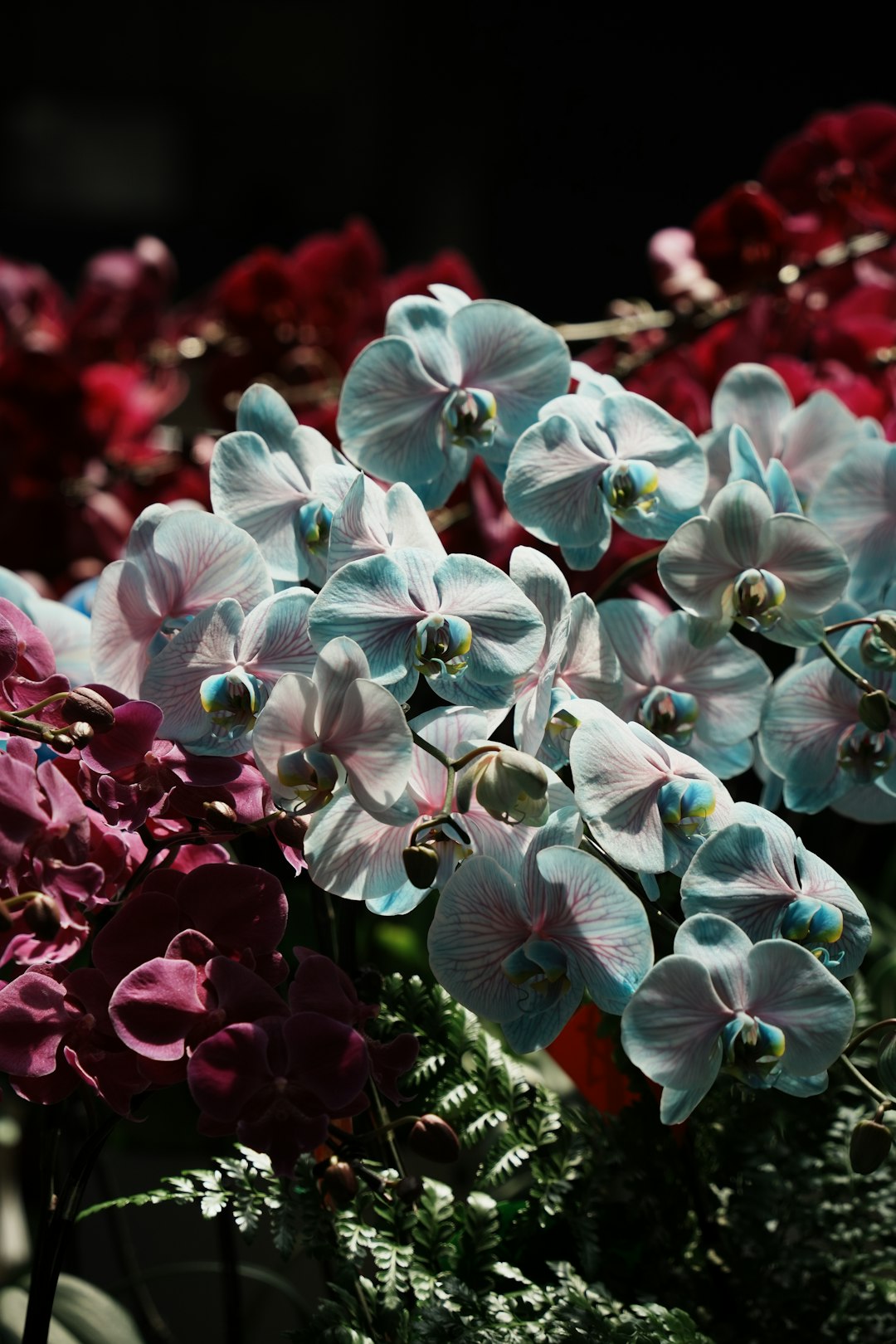
The appearance of lisianthus is nothing short of spectacular. Its stems are multi - bloom, meaning that each stem can produce several flowers. These flowers come in a wide range of colors, including white, pink, purple, and blue. Some varieties even have bi - colored or ruffled petals, adding an extra layer of visual interest. The shape of the lisianthus flower is reminiscent of a rose, with its large, full blooms and delicate petals. This resemblance to the classic rose makes lisianthus a popular substitute in floral arrangements, especially for those who want a more budget - friendly option without sacrificing beauty.
When it comes to gardening with lisianthus, there are a few key points to keep in mind. First, they prefer well - drained soil. You can achieve this by adding organic matter such as compost or peat moss to your garden bed. This will help the soil retain some moisture while also allowing excess water to drain away, preventing root rot. Second, lisianthus thrives in full sun. Make sure to plant them in a location where they will receive at least six hours of direct sunlight per day. However, in extremely hot climates, some afternoon shade may be beneficial to prevent the flowers from wilting.
Propagation of lisianthus can be done through seeds or seedlings. If you choose to start from seeds, it's best to sow them indoors about 8 - 10 weeks before the last frost date. Lisianthus seeds are very small, so they should be sown on the surface of the soil and lightly pressed in, not covered with a thick layer of soil. Keep the soil moist but not waterlogged, and maintain a warm temperature of around 70 - 75°F (21 - 24°C) for optimal germination. Once the seedlings have developed a few true leaves, they can be transplanted outdoors.
In the garden, lisianthus can be used in a variety of ways. They make excellent border plants, lining the edges of flower beds and adding a touch of elegance. You can also plant them in containers, either on their own or in combination with other annual flowers. When planting in containers, make sure to choose a pot with drainage holes and use a high - quality potting mix. This will ensure that the lisianthus has enough space to grow and access to the nutrients it needs.
But the beauty of lisianthus doesn't end in the garden. These flowers are also highly prized for their use in floral arrangements. Their long stems and large blooms make them a focal point in any vase. Whether used in a simple, single - stem arrangement or combined with other flowers to create a more elaborate bouquet, lisianthus adds a touch of sophistication. They can last up to two weeks in a vase if properly cared for. To prolong their vase life, change the water every few days and trim the stems at an angle to allow for better water absorption.
In conclusion, lisianthus flowers are a wonderful addition to any annual flower garden. Their drought - tolerance, elegant appearance, and versatility in both the garden and as cut flowers make them a must - have for any gardener. Whether you're a seasoned horticulturist or a beginner just starting out, lisianthus is sure to bring joy and beauty to your outdoor space and your home.