
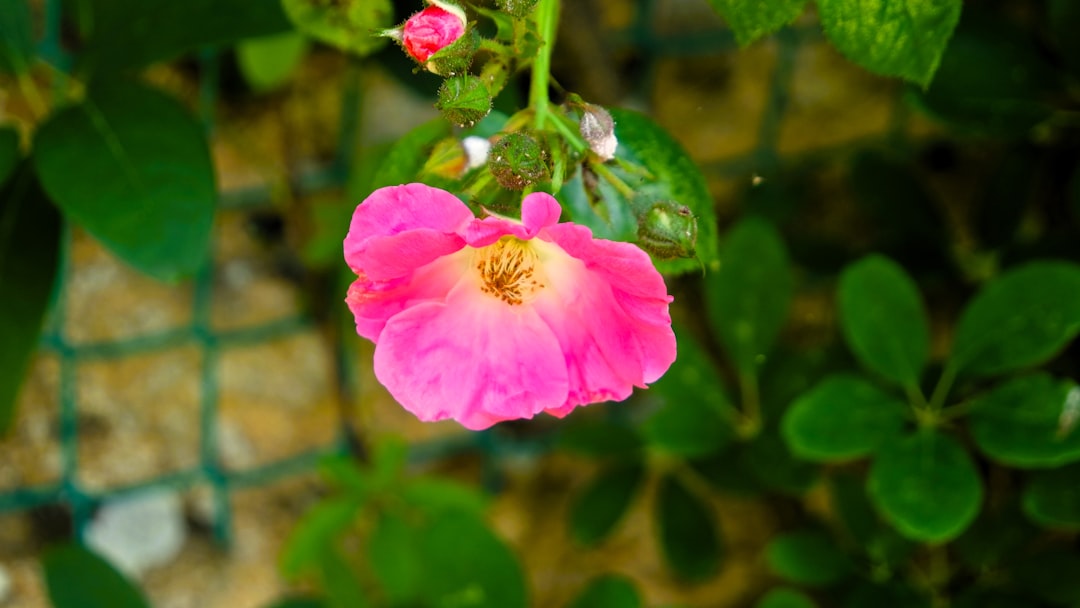
In the realm of gardening, there exists a plant that often goes unnoticed but holds great potential to transform any garden or walkway into a picturesque landscape. The barren strawberry, an evergreen groundcover, is a true gem that deserves a place in every gardener's heart and backyard.
Let's start by delving into the characteristics of this charming plant. Barren strawberry, scientifically known as Waldsteinia fragarioides, belongs to the rose family. It is native to North America and can be found in woodlands and shady areas. One of its most appealing features is its low - growing habit, reaching only about 6 to 8 inches in height. This makes it an ideal choice for groundcover, as it spreads slowly but steadily, creating a dense mat of foliage.
The leaves of the barren strawberry are trifoliate, similar to those of a true strawberry, but with a more rounded shape. They are a rich green color during the growing season and turn a beautiful bronze - red in the fall, adding a splash of color to the garden even as the temperatures start to drop. In the spring, the plant produces delicate yellow flowers that rise above the foliage on slender stems. These flowers not only add aesthetic value but also attract pollinators such as bees and butterflies.
Now, let's talk about how to plant barren strawberry. First and foremost, it's important to choose the right location. Barren strawberry thrives in partial to full shade, although it can tolerate some morning sun. It prefers well - drained soil that is rich in organic matter. Before planting, prepare the soil by loosening it with a garden fork and adding compost or well - rotted manure. This will provide the plant with the nutrients it needs to grow and thrive.
When planting, space the barren strawberry plants about 12 to 18 inches apart. Dig a hole that is slightly larger than the root ball of the plant, place the plant in the hole, and backfill with soil. Make sure the soil is firmly packed around the base of the plant to prevent air pockets. Water the newly planted barren strawberry thoroughly to help it settle into its new home.
Once the barren strawberry is planted, proper care is essential to ensure its health and longevity. Watering is crucial, especially during the first few weeks after planting. Keep the soil consistently moist but not waterlogged. As the plant becomes established, it will become more drought - tolerant, but it's still a good idea to water during dry spells.
Fertilizing is also important. Apply a balanced, slow - release fertilizer in the spring to provide the plant with a steady supply of nutrients throughout the growing season. Avoid over - fertilizing, as this can lead to excessive growth and may make the plant more susceptible to diseases.
Pruning is relatively simple for barren strawberry. In the early spring, remove any dead or damaged leaves to encourage new growth. You can also trim back the plant if it starts to spread too aggressively. However, be careful not to over - prune, as this can damage the plant.
There may come a time when you need to remove barren strawberry from your garden. Perhaps it has spread too far or you want to make room for other plants. To remove barren strawberry, start by using a garden fork or spade to loosen the soil around the plant. Carefully lift the plant out of the ground, making sure to get as much of the root system as possible. You can then either replant it in another location or dispose of it properly.
In conclusion, the barren strawberry is a wonderful addition to any garden or walkway. Its low - growing habit, attractive foliage, and delicate flowers make it a visually appealing choice. With proper planting, care, and maintenance, it can provide years of beauty and enjoyment. Whether you're a seasoned gardener or just starting out, consider adding this evergreen groundcover to your garden and discover the many benefits it has to offer.