
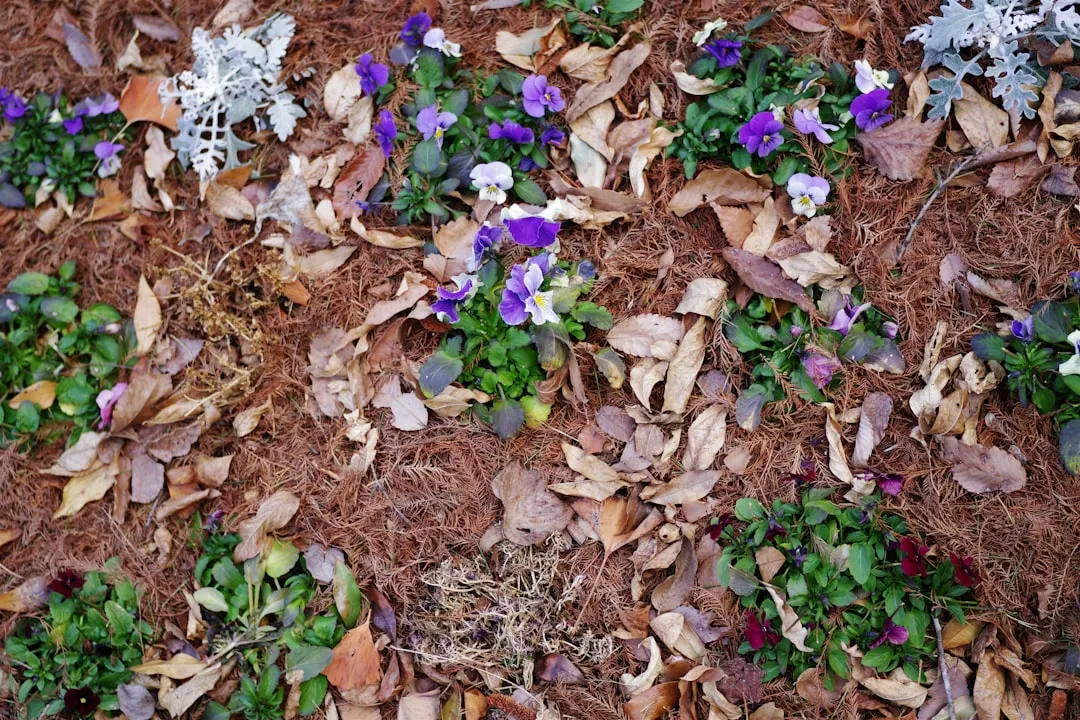
Flowers have always been a source of beauty and tranquility in our lives. Among the various types of flowers, perennials hold a special place. Not only are they a feast for the eyes, but they also offer a multitude of practical benefits. One of the most significant advantages of certain perennials is their ability to resist deer, which can otherwise turn your garden into a veritable salad bar.
When it comes to gardening, dealing with deer can be a real headache. These graceful yet voracious creatures have a penchant for munching on a wide variety of plants. However, by carefully selecting deer - resistant perennials, you can protect your garden and still enjoy a vibrant and colorful landscape.
Let's start by exploring some of the top deer - resistant perennials. One such plant is the Siberian iris. With its elegant, sword - shaped leaves and delicate, purple - blue flowers, the Siberian iris adds a touch of sophistication to any garden. It is not only beautiful but also highly unappetizing to deer. This perennial thrives in moist, well - drained soil and prefers full sun to partial shade. Planting Siberian irises along the edges of your garden can create a natural barrier that deters deer from entering.
Another excellent choice is the yarrow. Yarrow comes in a variety of colors, including yellow, pink, and red. Its feathery foliage and flat - topped flower clusters make it a visually appealing addition to any garden. Deer tend to avoid yarrow because of its strong scent and slightly bitter taste. Yarrow is a hardy plant that can tolerate a wide range of soil conditions and is drought - resistant once established. It is perfect for adding color and texture to dry areas of your garden.
The lavender is also a well - known deer - resistant perennial. The fragrant purple flowers of lavender are not only a favorite of bees and butterflies but are also disliked by deer. Lavender requires full sun and well - drained soil. It is an excellent choice for creating a fragrant border or for use in herb gardens. The essential oils in lavender give it its characteristic smell, which is what makes deer stay away.
Peonies are another classic perennial that deer usually avoid. These large, showy flowers come in a wide range of colors, from white to deep red. Peonies have a thick, woody stem and large, leathery leaves, which may make them less appealing to deer. They prefer a sunny location with well - drained soil and can live for decades with proper care. A peony bush in full bloom is a sight to behold and can be the centerpiece of your garden.
When planning your garden with deer - resistant perennials, it's important to consider the overall layout. Grouping similar plants together can create a more cohesive look and also make it easier to care for them. For example, you can create a bed of different colored yarrows or plant a row of lavender along a walkway. Additionally, mixing different heights and textures of perennials can add depth and interest to your garden.
Proper maintenance is also crucial for the health and longevity of your deer - resistant perennials. Regular watering, especially during dry spells, is essential. However, be careful not to over - water, as this can lead to root rot. Fertilizing your perennials once or twice a year can also help them grow strong and healthy. Pruning dead or damaged branches and spent flowers will encourage new growth and keep your plants looking their best.
In conclusion, growing deer - resistant perennials is a smart and practical way to maintain a beautiful garden. These plants not only add color, fragrance, and texture to your outdoor space but also protect it from the damage caused by deer. By carefully selecting the right perennials for your garden's conditions and providing them with proper care, you can create a stunning and deer - proof landscape that you can enjoy for years to come.