
• HOME
  • Container Gardens
  • Houseplants
  • Edible Gardening
  • Garden Design
  • Caring for Your Yard
  • Flowers
  • Pest & Problem Fixes
  • Trees, Shrubs & Vines
  • Landscaping
  • Garden Plans
  • Gardening Routine
  • Terms of Use
  • About Us
  • Privacy Policy
frostwood.topfrostwood.top
  • HOME
  • Container Gardens
  • Houseplants
  • Edible Gardening
  • Garden Design
  • Caring for Your Yard
  • Flowers
  • Pest & Problem Fixes
  • Trees, Shrubs & Vines
  • Landscaping
  • Garden Plans
  • Gardening Routine
frostwood.top frostwood.top
frostwood.top » Flowers » How to Keep Those Pesky Green Bugs—aka Sawfly Larvae—Off Your Roses
Flowers

How to Keep Those Pesky Green Bugs—aka Sawfly Larvae—Off Your Roses

1.7K
168
77
How to Keep Those Pesky Green Bugs—aka Sawfly Larvae—Off Your Roses

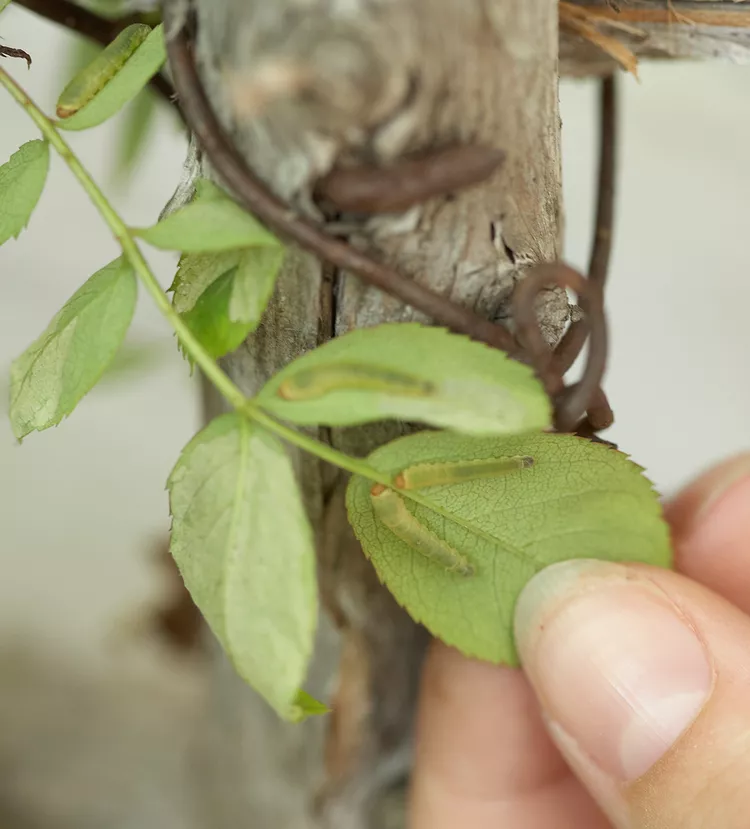
If you've noticed little green worms on roses in your garden, usually found on the underside of the leaves, it's time to take action. Commonly known as rose slugs, these caterpillar-like creatures are the larvae of a sawfly (a small, non-stinging wasp relative). Rose slugs won't hurt you and won't kill your plants, but you may want to get rid of them ASAP because they'll quickly eat holes in your rose foliage. The good news is that there are a few easy ways to get them under control. Here's how to get rid of rose slugs.

What Is a Rose Slug?

Rose slugs look like caterpillars or even miniature slugs, hence their name. But a rose slug is neither a true slug nor a caterpillar (which becomes a moth or butterfly). Instead, those velvety green worms on roses are simply larvae of the rose sawfly. Rose slugs can get up to half an inch long.

Signs of Rose Sawfly Damage

The sawfly larvae will appear on roses in late spring and begin eating leaves' soft, green tissue. The remaining veins of the leaf they don't eat will turn brown and crisp. The damaged foliage will have a window-pane or skeletonized appearance. Generally, rose slugs will only make plants look bad, but most roses will grow new leaves once the pests are gone. Sometimes, heavier infestations can weaken your rose plant enough that it's more vulnerable to other insects and plant diseases.

Check Plants for Signs of Infestation

The key to effective rose sawfly control is to find the green worms on roses (larvae) while they are still small and before the damage becomes severe. Start looking for sawfly larvae on the lower surfaces of your rose leaves in mid-spring. There is no need to treat the rose foliage after the larvae have finished eating and are no longer on the plants. The larvae only stick around for about a month before they make their cocoons.

How to Treat Sawfly on Roses

If you have a small number of rose slugs on just a few plants, the best approach would be to hand-pick them off and drop them in a cup of soapy water. You can also use a forceful spray of water out of a garden hose, which will knock off and destroy many of the larvae. Be sure to spray the water on the leaves' upper and undersides. Using insecticidal soap or neem oil to control these pests is also an option.

Related Posts

4.8K
480
235

16 Pretty and Simple Combinations of Window Box Flowers for Shade

32.9K
3.3K
985

The 3 Best Types of Berries to Grow in Containers, and How to Grow Them

37.2K
3K
980

9 Terrarium Fairy Garden Ideas That Are Utterly Adorable

21.5K
1.7K
361

Transform Your Indoor Space with a Handmade Plant Stand

29.8K
2.1K
855

The Secret to Thriving House Ferns

19.2K
1.3K
496

The Enchanting Fusion in Connecticut's Gardens

32.9K
657
223

25 Top Plant Picks from the Better Homes & Gardens Test Garden®

45.1K
451
162

How to Plant and Grow Freesia

13.5K
1.2K
278

Unleashing the Beauty of Lantana: A Gardener's Guide

9.7K
871
191

How Often—and How Long—You Should Water Your Grass

19.8K
1.4K
207

How I Boost Harvests by Succession Planting My Small Vegetable Garden

1.5K
29
4

The Colorful World of Bell Peppers: A Guide to Cultivation

41.3K
825
264

6 Ways to Get Rid of Aphids on Milkweed Without Harming Monarchs

29.9K
2.4K
1.1K

14 Weeds with Purple Flowers You Need to Know

36.1K
1.1K
248

The Enchanting Spring Messenger: Chinese Fringe Flower

21.5K
1.7K
758

Unveiling the Secrets of Heat - Loving Oleander Shrubs

32.2K
1.3K
192

Transform Your Space into a Wildlife Haven with These Garden Blueprints

33.2K
664
205

This Colorful Herb Garden Plan Enhances Your Yard and Dinner Plate

28.2K
2.5K
889

Transform Your Small Space with a Colorful Flower Oasis

21.9K
1.1K
175

15 Super Plants for Texas Landscapes

16 Pretty and Simple Combinations of Window Box Flowers for Shade
The 3 Best Types of Berries to Grow in Containers, and How to Grow Them
9 Terrarium Fairy Garden Ideas That Are Utterly Adorable
Transform Your Indoor Space with a Handmade Plant Stand
The Secret to Thriving House Ferns
The Enchanting Fusion in Connecticut's Gardens
25 Top Plant Picks from the Better Homes & Gardens Test Garden®
How to Plant and Grow Freesia
Unleashing the Beauty of Lantana: A Gardener's Guide
How Often—and How Long—You Should Water Your Grass
How I Boost Harvests by Succession Planting My Small Vegetable Garden
The Colorful World of Bell Peppers: A Guide to Cultivation
6 Ways to Get Rid of Aphids on Milkweed Without Harming Monarchs
14 Weeds with Purple Flowers You Need to Know
The Enchanting Spring Messenger: Chinese Fringe Flower
Unveiling the Secrets of Heat - Loving Oleander Shrubs
Transform Your Space into a Wildlife Haven with These Garden Blueprints
This Colorful Herb Garden Plan Enhances Your Yard and Dinner Plate
Transform Your Small Space with a Colorful Flower Oasis
15 Super Plants for Texas Landscapes
frostwood.top ©2026
  • Terms of Use
  • About Us
  • Privacy Policy