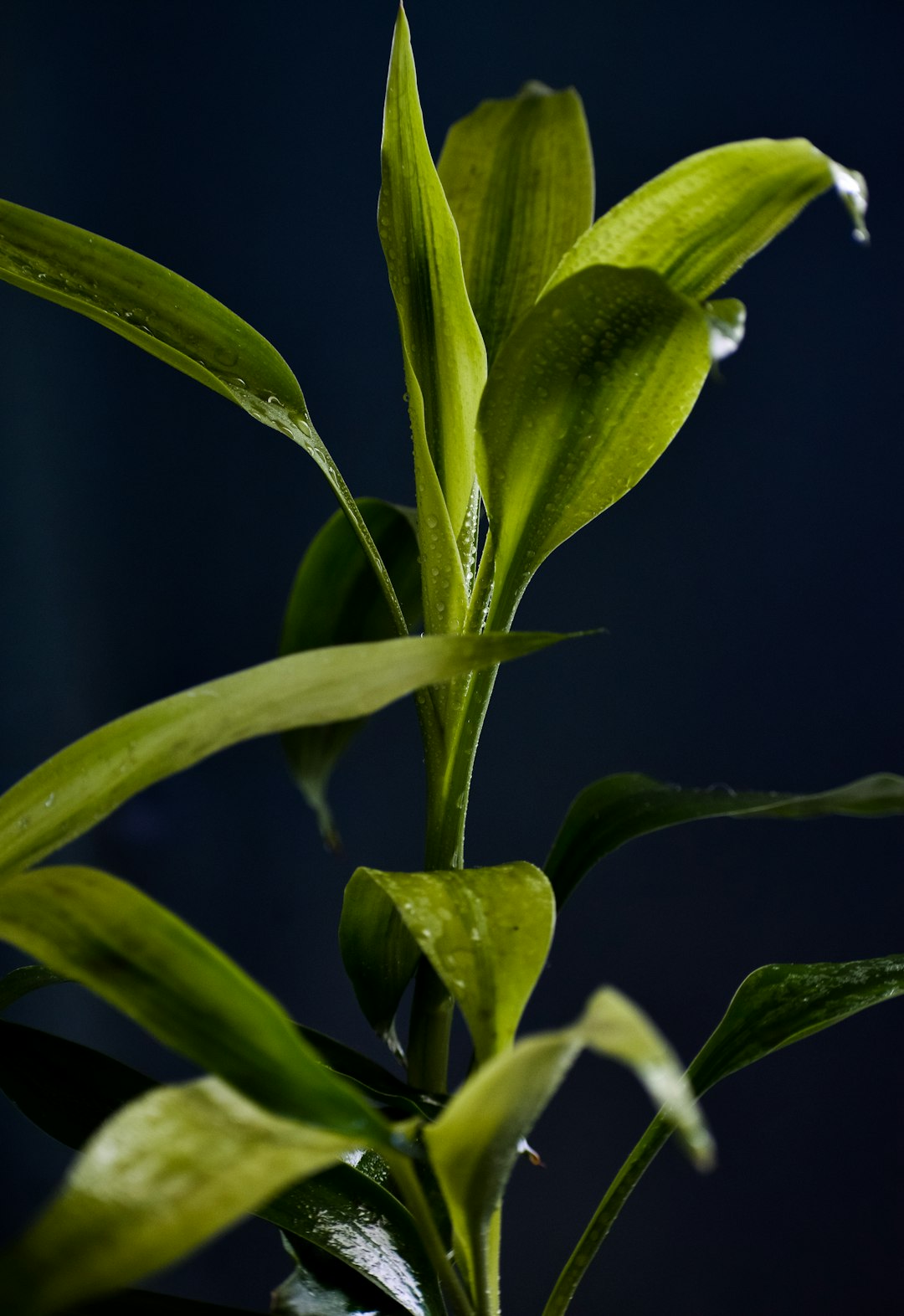
Camassia, a beautiful yet often - overlooked spring flower, can add a touch of elegance to any garden. In this article, we will explore the essential tips for growing camassia, from bulb selection to post - bloom care.
### Selecting the Right Bulbs
When it comes to growing camassia, the first step is choosing high - quality bulbs. Look for bulbs that are firm and free from any signs of mold or damage. The size of the bulb can also be an indicator of its health. Larger bulbs generally have more stored energy, which can lead to stronger plants and more abundant blooms. You can purchase camassia bulbs from reputable nurseries or online gardening stores. Make sure to check the reviews and ratings of the seller to ensure you are getting good - quality bulbs.
### Planting Time
One of the most crucial aspects of growing camassia is knowing when to plant the bulbs. Camassia bulbs should be planted in the fall, ideally from September to November. This allows the bulbs to establish roots before the ground freezes. The cool temperatures of fall stimulate root growth, and by the time spring arrives, the plants are ready to sprout and bloom. When planting, choose a location that receives full sun to partial shade. Camassia can tolerate some shade, but they will produce more flowers in sunnier spots.
### Soil Preparation
Camassia thrives in well - drained soil. Before planting the bulbs, prepare the soil by adding organic matter such as compost or well - rotted manure. This helps improve the soil structure, drainage, and fertility. The pH of the soil should be slightly acidic to neutral, around 6.0 - 7.0. You can test the soil pH using a soil testing kit available at most garden centers. If the soil is too acidic, you can add lime to raise the pH, and if it is too alkaline, sulfur can be added to lower it.
### Planting Depth and Spacing
When planting camassia bulbs, dig a hole that is about 4 - 6 inches deep. Place the bulb in the hole with the pointed end facing up. Space the bulbs about 6 - 8 inches apart to allow enough room for the plants to grow and spread. After placing the bulbs in the holes, cover them with soil and gently firm the soil around them. Water the area thoroughly to settle the soil and provide moisture for the bulbs to start root development.
### Watering and Fertilizing
During the growing season, camassia requires regular watering, especially during dry spells. However, it is important not to over - water, as this can lead to bulb rot. Water the plants deeply once a week, providing about 1 - 2 inches of water. In terms of fertilizing, apply a balanced, slow - release fertilizer in the spring when the shoots start to emerge. This will provide the necessary nutrients for healthy growth and blooming. Avoid using high - nitrogen fertilizers, as they can promote excessive foliage growth at the expense of flowers.
### Post - Bloom Care
After the camassia flowers have faded, you can deadhead the spent blooms to improve the appearance of the plant and prevent the formation of seeds. However, leave the foliage intact until it turns yellow and dies back naturally. The leaves are responsible for photosynthesis, which helps the bulbs store energy for the next growing season. Once the foliage has died back, you can cut it off at the base. In the fall, you can apply a layer of mulch around the plants to protect the bulbs from extreme cold temperatures.
### Pests and Diseases
Camassia is relatively resistant to pests and diseases. However, they can sometimes be affected by slugs and snails, especially in damp conditions. You can control these pests by using slug pellets or creating barriers around the plants. Fungal diseases can also occur if the soil is poorly drained or if the plants are over - watered. To prevent fungal diseases, make sure the soil has good drainage and avoid overhead watering.
In conclusion, growing camassia can be a rewarding experience. By following these essential tips, you can enjoy the beautiful blooms of camassia in your garden year after year. Whether you are a novice gardener or an experienced horticulturist, camassia is a wonderful addition to any flower garden.