
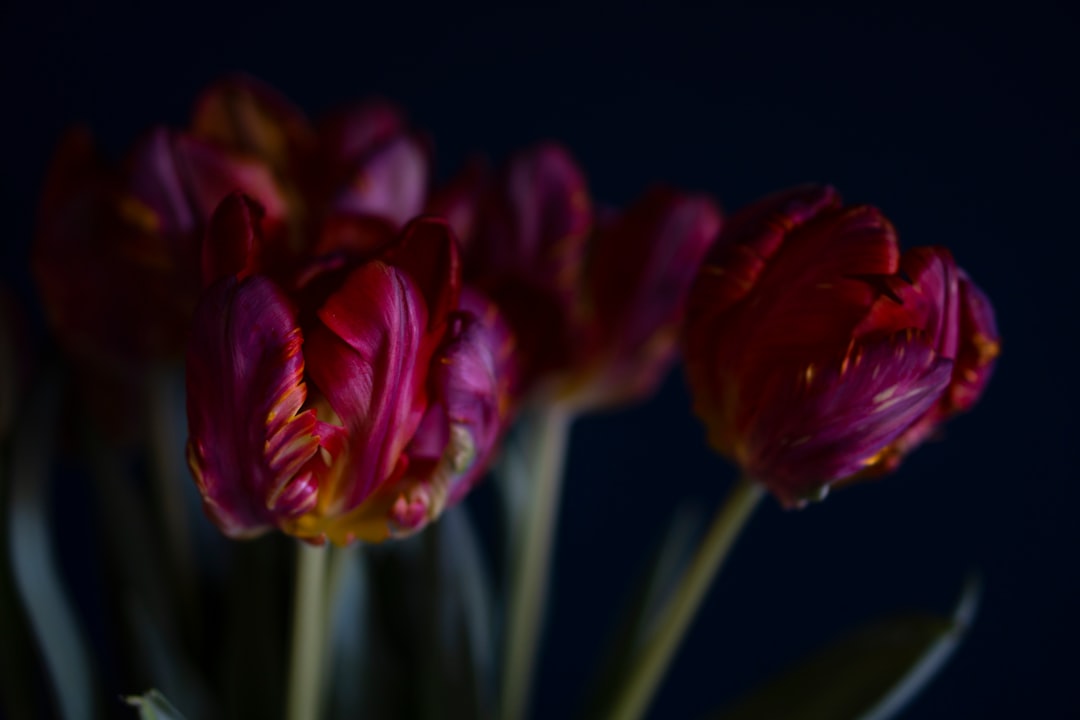
Petunias, those vibrant and versatile annuals, have long captured the hearts of gardeners worldwide. With their vast array of varieties and colors, they can transform any garden into a riot of hues. In this guide, we will explore the essential tips for taking care of these beautiful flowers, ensuring they thrive throughout the growing season.
### Choosing the Right Location
One of the first steps in petunia care is selecting the perfect spot for them in your garden. Petunias love sunlight, so choose a location that receives at least six hours of direct sunlight per day. However, they can also tolerate some light shade, especially in hot climates. Make sure the area has well - drained soil, as petunias do not like to sit in waterlogged conditions. A raised bed or a container with drainage holes is an excellent option if your soil is heavy or clay - like.
### Soil Preparation
Petunias prefer a rich, loamy soil with a slightly acidic to neutral pH (around 6.0 - 7.0). Before planting, amend the soil with organic matter such as compost or well - rotted manure. This will improve the soil structure, provide essential nutrients, and enhance water retention. If you are planting petunias in containers, use a high - quality potting mix that is specifically formulated for flowering plants.
### Planting Petunias
When it comes to planting petunias, timing is crucial. Wait until all danger of frost has passed in the spring before planting them outdoors. You can start petunias from seeds indoors about 10 - 12 weeks before the last frost date, or purchase young plants from a nursery. When planting, space the petunias according to their variety. Spreading petunias should be spaced about 12 - 18 inches apart, while mounding petunias can be planted 8 - 10 inches apart. Dig a hole slightly larger than the root ball, place the plant in the hole, and backfill with soil. Gently firm the soil around the plant and water thoroughly.
### Watering
Proper watering is essential for the health of petunias. They need regular watering, especially during hot, dry weather. However, overwatering can lead to root rot, so it's important to find the right balance. Water the petunias deeply at the base of the plant, rather than overhead, to prevent fungal diseases. Allow the top inch of soil to dry out between waterings. In containers, check the soil moisture daily, as they tend to dry out more quickly than garden beds.
### Fertilizing
Petunias are heavy feeders and require regular fertilization to produce abundant blooms. Start by applying a slow - release fertilizer at the time of planting. Then, supplement with a liquid fertilizer every two to three weeks during the growing season. Look for a fertilizer that is high in phosphorus, which promotes flower production. Follow the instructions on the fertilizer package for the correct application rate.
### Deadheading
Deadheading, or removing spent flowers, is an important part of petunia care. This encourages the plant to produce more blooms and prevents it from going to seed. Simply pinch off the faded flowers just below the base of the flower head. Regular deadheading will keep your petunias looking tidy and blooming profusely throughout the season.
### Pest and Disease Control
Petunias can be susceptible to a few pests and diseases, such as aphids, whiteflies, and powdery mildew. To prevent pest infestations, keep the garden clean and free of debris. You can also use insecticidal soap or neem oil to control pests. For powdery mildew, ensure good air circulation around the plants and avoid overhead watering. If necessary, apply a fungicide according to the instructions on the label.
### Winter Care
Since petunias are annuals, they will not survive the winter in most climates. However, you can extend their lifespan by taking cuttings in the fall and rooting them indoors. Place the cuttings in a container with moist potting soil and keep them in a warm, bright location. With proper care, you can have new petunia plants to plant outdoors the following spring.
In conclusion, taking care of petunias requires a combination of proper location, soil preparation, watering, fertilizing, deadheading, and pest control. By following these essential tips, you can enjoy a beautiful display of petunias in your garden all season long. Whether you plant them in beds, borders, or containers, petunias are sure to add a splash of color and charm to your outdoor space.