
• HOME
  • Container Gardens
  • Houseplants
  • Edible Gardening
  • Garden Design
  • Caring for Your Yard
  • Flowers
  • Pest & Problem Fixes
  • Trees, Shrubs & Vines
  • Landscaping
  • Garden Plans
  • Gardening Routine
  • Terms of Use
  • About Us
  • Privacy Policy
frostwood.topfrostwood.top
  • HOME
  • Container Gardens
  • Houseplants
  • Edible Gardening
  • Garden Design
  • Caring for Your Yard
  • Flowers
  • Pest & Problem Fixes
  • Trees, Shrubs & Vines
  • Landscaping
  • Garden Plans
  • Gardening Routine
frostwood.top frostwood.top
frostwood.top » Garden Design » How to Make a Wire Cloche to Protect Plants from Hungry Critters
Garden Design

How to Make a Wire Cloche to Protect Plants from Hungry Critters

6.1K
60
13
How to Make a Wire Cloche to Protect Plants from Hungry Critters
Project Overview
  • Total Time: 1 hour, 30 minutes
  • Skill Level: Beginner
  • Estimated Cost: $20 to $25
  • Yield: One cloche

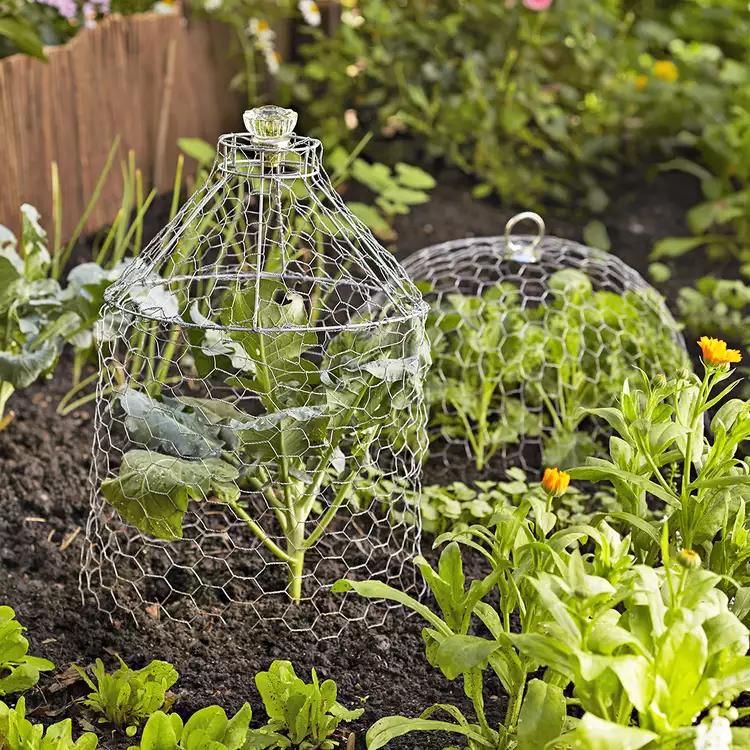
Traditionally, chicken wire is used to keep poultry safe from predators and fence in gardens, protecting plants from hungry rabbits and other critters. No wonder the inexpensive hexagonal mesh proves essential for a gardener’s toolshed. Chicken wire is lightweight yet durable and flexible enough for shaping. The netting forms a practical see-through wire cloche that makes an interesting accent in the garden.

What You'll Need

Equipment / Tools

  • Tape measure
  • Gloves
  • Tin snips
  • Needle-nose pliers
  • Adjustable pliers

Materials

  • 1 12-inch nursery pot
  • Chicken wire
  • Wire lampshade frame
  • Glass doorknob
  • Garden staples

Instructions

  1. Measure and Cut Chicken Wire

    Measure the circumference of the nursery pot that will be used to help form the base of the cloche (a 12-inch-diameter pot has a circumference of approximately 38 inches); wearing gloves and using tin snips, cut a comparable length of chicken wire. Cut chicken wire to the desired height—as tall as or taller than the pot. Cut a semicircular piece of chicken wire to fit around the lampshade frame.

  2. Shape Chicken Wire Around Frame

    Wrap the semicircular chicken wire around the lampshade frame, bending and squeezing the wire to fit snugly on the frame to form the top of the wire cloche. Cut away excess wire and use needle-nose pliers to wrap cut ends around the chicken wire.

  3. Create Chicken Wire Cloche Cylinder

    Wrap the length of chicken wire loosely around the pot, forming a cylinder for the cloche bottom. Use needle-nose pliers to wrap any cut ends of the wire around the adjoining chicken wire. Slide the mesh cylinder off the pot.

  4. Connect Top and Bottom of Cloche

    Attach the wire cloche bottom (mesh cylinder) to the cloche top. Use adjustable pliers to twist the top edge of the cylinder around the bottom edge of the lampshade frame, wrapping any cut ends and pinching the edges to secure.

  5. Attach Door Knob

    Wiggle and wedge a glass doorknob or other decorative accent into an opening at the wire cloche top. Use needle-nose pliers to pinch the wire together to hold the knob in place. Snug the bottom edge of the cloche into the garden soil. Use two or three garden staples to hold the cloche firmly in place. This step is crucial to prevent critters from crawling under the cloche.

Related Posts

29.4K
882
282

16 Pretty and Simple Combinations of Window Box Flowers for Shade

30.5K
1.2K
511

The 3 Best Types of Berries to Grow in Containers, and How to Grow Them

16K
960
326

9 Terrarium Fairy Garden Ideas That Are Utterly Adorable

11.8K
118
55

Transform Your Indoor Space with a Handmade Plant Stand

11.2K
560
207

The Secret to Thriving House Ferns

8.2K
658
263

The Enchanting Fusion in Connecticut's Gardens

13.5K
539
183

25 Top Plant Picks from the Better Homes & Gardens Test Garden®

38K
3.4K
513

How to Plant and Grow Freesia

40.4K
2.8K
791

Unleashing the Beauty of Lantana: A Gardener's Guide

38K
2.7K
744

How Often—and How Long—You Should Water Your Grass

24K
480
120

How I Boost Harvests by Succession Planting My Small Vegetable Garden

11.3K
1.1K
531

The Colorful World of Bell Peppers: A Guide to Cultivation

4.1K
40
13

6 Ways to Get Rid of Aphids on Milkweed Without Harming Monarchs

16.9K
674
208

14 Weeds with Purple Flowers You Need to Know

37.4K
748
201

The Enchanting Spring Messenger: Chinese Fringe Flower

8.8K
263
36

Unveiling the Secrets of Heat - Loving Oleander Shrubs

11.8K
705
246

Transform Your Space into a Wildlife Haven with These Garden Blueprints

44.9K
897
313

This Colorful Herb Garden Plan Enhances Your Yard and Dinner Plate

16.2K
809
307

Transform Your Small Space with a Colorful Flower Oasis

2.7K
274
123

15 Super Plants for Texas Landscapes

16 Pretty and Simple Combinations of Window Box Flowers for Shade
The 3 Best Types of Berries to Grow in Containers, and How to Grow Them
9 Terrarium Fairy Garden Ideas That Are Utterly Adorable
Transform Your Indoor Space with a Handmade Plant Stand
The Secret to Thriving House Ferns
The Enchanting Fusion in Connecticut's Gardens
25 Top Plant Picks from the Better Homes & Gardens Test Garden®
How to Plant and Grow Freesia
Unleashing the Beauty of Lantana: A Gardener's Guide
How Often—and How Long—You Should Water Your Grass
How I Boost Harvests by Succession Planting My Small Vegetable Garden
The Colorful World of Bell Peppers: A Guide to Cultivation
6 Ways to Get Rid of Aphids on Milkweed Without Harming Monarchs
14 Weeds with Purple Flowers You Need to Know
The Enchanting Spring Messenger: Chinese Fringe Flower
Unveiling the Secrets of Heat - Loving Oleander Shrubs
Transform Your Space into a Wildlife Haven with These Garden Blueprints
This Colorful Herb Garden Plan Enhances Your Yard and Dinner Plate
Transform Your Small Space with a Colorful Flower Oasis
15 Super Plants for Texas Landscapes
frostwood.top ©2026
  • Terms of Use
  • About Us
  • Privacy Policy