
• HOME
  • Container Gardens
  • Houseplants
  • Edible Gardening
  • Garden Design
  • Caring for Your Yard
  • Flowers
  • Pest & Problem Fixes
  • Trees, Shrubs & Vines
  • Landscaping
  • Garden Plans
  • Gardening Routine
  • Terms of Use
  • About Us
  • Privacy Policy
frostwood.topfrostwood.top
  • HOME
  • Container Gardens
  • Houseplants
  • Edible Gardening
  • Garden Design
  • Caring for Your Yard
  • Flowers
  • Pest & Problem Fixes
  • Trees, Shrubs & Vines
  • Landscaping
  • Garden Plans
  • Gardening Routine
frostwood.top frostwood.top
frostwood.top » Garden Design » How to Start a Beehive in Your Backyard in 5 Simple Steps
Garden Design

How to Start a Beehive in Your Backyard in 5 Simple Steps

22.6K
904
117
How to Start a Beehive in Your Backyard in 5 Simple Steps

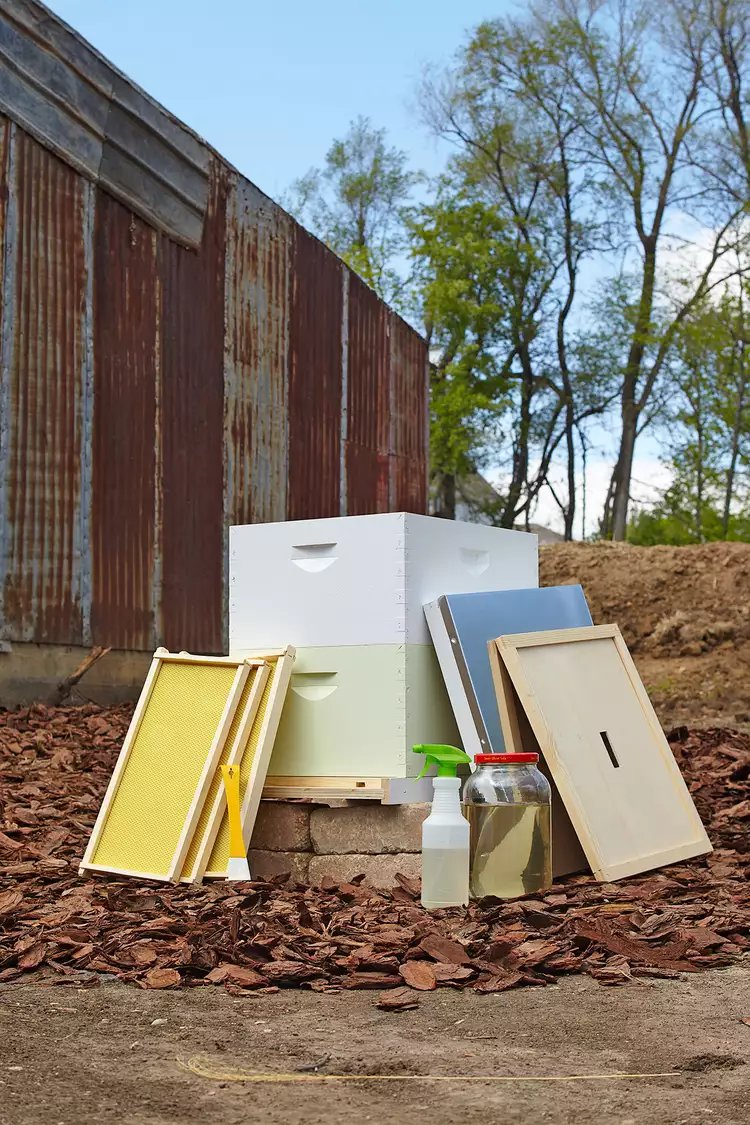
The first challenge is deciding where to put your hive—then you need to assemble it. All the essential equipment, including hive parts, the smoker, and the hive tool, can be bought in a kit purchased online from a mail-order supplier. It's best to start with new equipment to avoid any hidden problems.

About Beehives

The most popular hive, the Langstroth, was invented in 1852 by apiarist Lorenzo Langstroth, aka the father of American beekeeping. It lets you harvest honey with minimal bee disturbance. The structure includes a cinder block base, a bottom board that works as an entrance for worker bees, a brood box where the queen lays eggs, and supers, which are boxes with vertical frames (10 per super) where the bees build honeycomb. As the colony grows, beekeepers "super up" by adding supers. The inner cover provides ventilation; the outer one is the roof.

When you're buying bees, you're not just getting a dozen. For this particular hive, approximately 10,000 bees were provided by a local beekeeping supplier and transported in a wooden box⁠—slightly larger than a shoebox with a mesh screen. Here's how to set up your hive to give your bees everything they need.

Step 1: Place Bees in Brood Box

Removing a few frames from the brood box makes room for the bees. Spraying the bees with sugar water was important to calm and prepare them for their transition into the hive. With a few firm shakes of the brood box, most of the bees will make their way into their new home.

Step 2: Replace Frames

After the bees have been placed into the brood box, start putting the frames back into the box. Put them in slowly to avoid hurting any of the bees. Place the last of the frames into the box.

Step 3: Place the Queen

A plug in one end of the queen's cage is replaced with a bit of marshmallow, ensuring that the worker bees will eat the treat while being exposed to the queen's pheromones and will learn to accept her before they release her. The cage is hung between two frames in the middle of the wooden box.

Step 4: Feed the Bees

The inner cover is set on top of the brood box. Feeding the bees with a 2:1 sugar-water solution is essential while they set up house. Tiny holes in the jar lid give the bees access to the liquid. Continue to feed them until they stop using the sugar-water solution and depend on the neighborhood's spring nectar flow instead.

Step 5: Finish Assembly

A second deep box shelters the feeder. Once the top of the hive is set in place, it is time to leave the bees on their own for three to five days. Return then to make sure the queen has been released.

Related Posts

4.8K
480
235

16 Pretty and Simple Combinations of Window Box Flowers for Shade

32.9K
3.3K
985

The 3 Best Types of Berries to Grow in Containers, and How to Grow Them

37.2K
3K
980

9 Terrarium Fairy Garden Ideas That Are Utterly Adorable

21.5K
1.7K
361

Transform Your Indoor Space with a Handmade Plant Stand

29.8K
2.1K
855

The Secret to Thriving House Ferns

19.2K
1.3K
496

The Enchanting Fusion in Connecticut's Gardens

32.9K
657
223

25 Top Plant Picks from the Better Homes & Gardens Test Garden®

45.1K
451
162

How to Plant and Grow Freesia

13.5K
1.2K
278

Unleashing the Beauty of Lantana: A Gardener's Guide

9.7K
871
191

How Often—and How Long—You Should Water Your Grass

19.8K
1.4K
207

How I Boost Harvests by Succession Planting My Small Vegetable Garden

1.5K
29
4

The Colorful World of Bell Peppers: A Guide to Cultivation

41.3K
825
264

6 Ways to Get Rid of Aphids on Milkweed Without Harming Monarchs

29.9K
2.4K
1.1K

14 Weeds with Purple Flowers You Need to Know

36.1K
1.1K
248

The Enchanting Spring Messenger: Chinese Fringe Flower

21.5K
1.7K
758

Unveiling the Secrets of Heat - Loving Oleander Shrubs

32.2K
1.3K
192

Transform Your Space into a Wildlife Haven with These Garden Blueprints

33.2K
664
205

This Colorful Herb Garden Plan Enhances Your Yard and Dinner Plate

28.2K
2.5K
889

Transform Your Small Space with a Colorful Flower Oasis

21.9K
1.1K
175

15 Super Plants for Texas Landscapes

16 Pretty and Simple Combinations of Window Box Flowers for Shade
The 3 Best Types of Berries to Grow in Containers, and How to Grow Them
9 Terrarium Fairy Garden Ideas That Are Utterly Adorable
Transform Your Indoor Space with a Handmade Plant Stand
The Secret to Thriving House Ferns
The Enchanting Fusion in Connecticut's Gardens
25 Top Plant Picks from the Better Homes & Gardens Test Garden®
How to Plant and Grow Freesia
Unleashing the Beauty of Lantana: A Gardener's Guide
How Often—and How Long—You Should Water Your Grass
How I Boost Harvests by Succession Planting My Small Vegetable Garden
The Colorful World of Bell Peppers: A Guide to Cultivation
6 Ways to Get Rid of Aphids on Milkweed Without Harming Monarchs
14 Weeds with Purple Flowers You Need to Know
The Enchanting Spring Messenger: Chinese Fringe Flower
Unveiling the Secrets of Heat - Loving Oleander Shrubs
Transform Your Space into a Wildlife Haven with These Garden Blueprints
This Colorful Herb Garden Plan Enhances Your Yard and Dinner Plate
Transform Your Small Space with a Colorful Flower Oasis
15 Super Plants for Texas Landscapes
frostwood.top ©2026
  • Terms of Use
  • About Us
  • Privacy Policy