
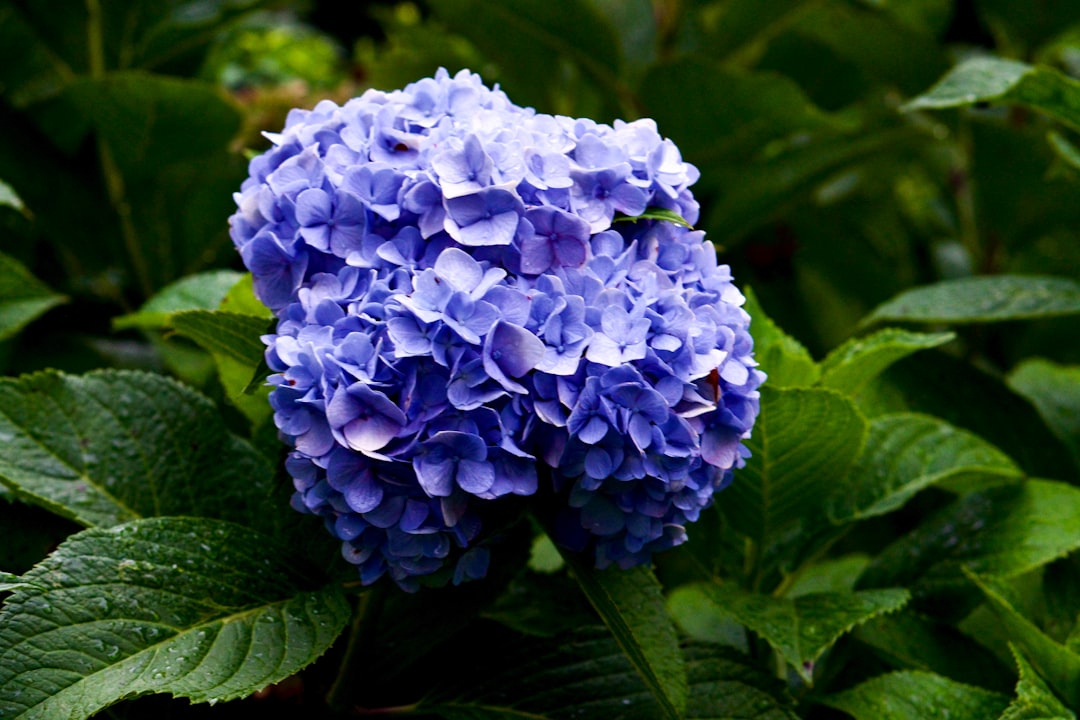
Creating a pollinator garden is not just a gardening project; it's a commitment to the well - being of our ecosystem. In a world where the population of beneficial insects and wildlife is facing numerous challenges, a beautiful pollinator garden can serve as an oasis for these creatures. Here are some must - know tips to help you design and maintain such a garden.
First and foremost, understand the needs of pollinators. Different pollinators, such as bees, butterflies, and hummingbirds, have specific requirements. Bees are attracted to a wide variety of flowers, especially those with open shapes that allow easy access to nectar and pollen. They are particularly fond of blue, purple, and yellow flowers. Butterflies, on the other hand, prefer flat - topped or clustered flowers that provide a good landing platform. They are drawn to bright colors like red, orange, and pink. Hummingbirds are attracted to tubular flowers filled with nectar, often in red or orange hues.
When it comes to plant selection, choose native plants. Native plants are adapted to the local climate, soil conditions, and pests. They have co - evolved with local pollinators, making them a perfect food source. For example, in North America, coneflowers, milkweeds, and bee balms are excellent choices. Coneflowers provide a rich source of nectar for bees and butterflies, while milkweeds are essential for monarch butterflies as they are the only food source for monarch caterpillars. Bee balms, with their tubular flowers, are a favorite of hummingbirds.
Another important aspect is to create a diverse garden. Incorporate plants that bloom at different times of the year. This ensures a continuous supply of food for pollinators throughout the growing season. Early - blooming plants like crocuses and snowdrops can provide a much - needed energy boost for bees emerging from hibernation. Mid - season bloomers such as lilacs and roses attract a wide range of pollinators, while late - blooming plants like asters and goldenrods help pollinators build up energy for the winter.
Provide shelter for pollinators. This can be in the form of a bee house or a butterfly shelter. A bee house is a simple structure that provides nesting sites for solitary bees. You can make one at home using bamboo tubes or drilled wooden blocks. A butterfly shelter can be created using a small wooden box with slits in it. Place some leaves and twigs inside to provide a cozy place for butterflies to rest and hibernate.
Water is also crucial for pollinators. A shallow birdbath or a small dish filled with water and pebbles can serve as a watering hole. The pebbles provide a landing spot for pollinators, preventing them from drowning. Make sure to change the water regularly to prevent the growth of mosquitoes.
Maintain a chemical - free environment. Pesticides and herbicides can be harmful to pollinators. Instead, use natural pest control methods. For example, you can introduce beneficial insects like ladybugs and lacewings to control aphids. Companion planting is another effective strategy. Planting marigolds near tomatoes can help repel nematodes, while basil planted near peppers can improve their growth and flavor.
Finally, don't forget to enjoy the process. A pollinator garden is a living, breathing ecosystem. Take the time to observe the different pollinators that visit your garden. Notice the unique behaviors of bees as they collect pollen, the graceful flight of butterflies, and the acrobatic maneuvers of hummingbirds. By creating a pollinator garden, you are not only providing a home for these amazing creatures but also contributing to the overall health of our planet.
So, roll up your sleeves, grab your gardening tools, and start creating your very own pollinator paradise. With these tips in mind, you'll be well on your way to having a garden that is not only beautiful but also a haven for beneficial insects and wildlife.