
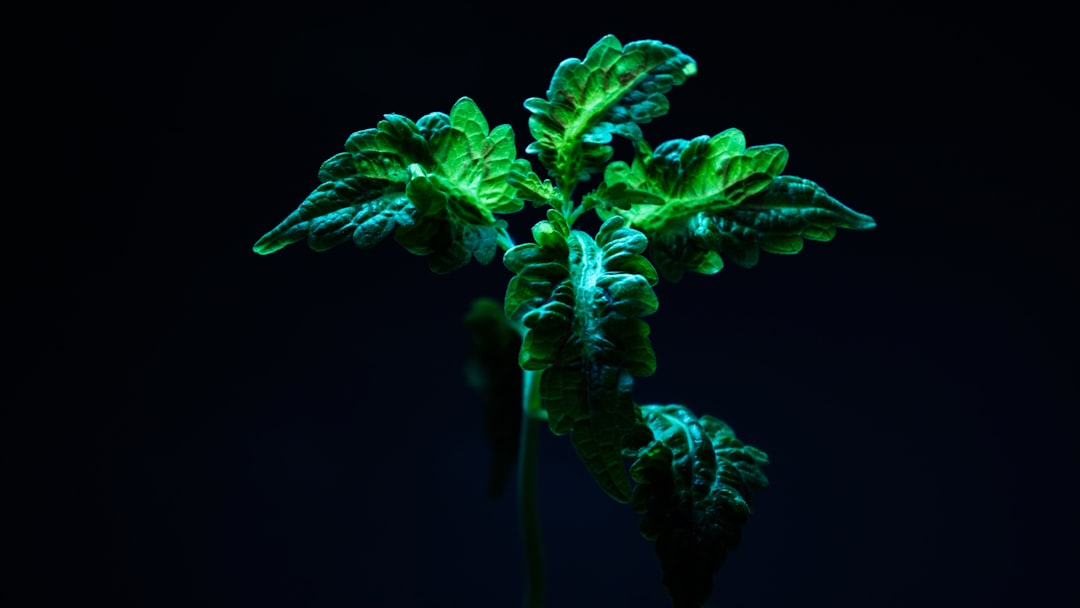
In the world of gardening, not everyone is blessed with a sprawling backyard. However, that doesn't mean you can't enjoy a bountiful harvest. This spring, a well - crafted vegetable garden plan can transform even the tiniest of spaces into a productive oasis of leafy greens and root crops.
Let's start with the advantages of focusing on leafy greens and root crops in a small garden. Leafy greens such as spinach, lettuce, and kale are not only nutritious but also relatively easy to grow. They have a short growing cycle, which means you can have multiple harvests throughout the spring and early summer. Root crops like carrots, radishes, and beets, on the other hand, grow underground, making efficient use of vertical space. They also require less above - ground area, allowing you to maximize the use of your limited plot.
When planning your small - space spring vegetable garden, the first step is to assess your available space. Measure the area carefully, taking note of any sunlight patterns. Most leafy greens and root crops thrive in full sun, but some can tolerate partial shade. For example, spinach can do well in areas that receive a few hours of direct sunlight each day, while carrots need at least six hours of full sun.
Next, it's time to choose the right varieties. For leafy greens, look for compact or dwarf varieties. There are many types of lettuce that are specifically bred for container gardening or small spaces. These varieties tend to have a more upright growth habit and don't spread out as much as traditional varieties. When it comes to root crops, select early - maturing varieties. Early - maturing carrots and radishes can be harvested in as little as 25 - 30 days, giving you a quick return on your gardening investment.
Soil preparation is crucial for the success of your garden. Leafy greens and root crops prefer well - drained, fertile soil. You can amend your existing soil with compost or well - rotted manure to improve its texture and nutrient content. If you're gardening in containers, use a high - quality potting mix that is specifically formulated for vegetables. This will ensure that your plants have access to the right nutrients and moisture.
Planting is an art in itself, especially in a small space. You can use techniques like intercropping to make the most of your available area. For example, you can plant radishes between rows of carrots. Radishes have a short growing cycle and will be harvested before the carrots need more space to grow. This way, you can get two crops from the same area.
Watering is another important aspect of small - space gardening. Leafy greens and root crops need consistent moisture, but over - watering can lead to problems like root rot. Water your plants deeply but infrequently, allowing the soil to dry out slightly between waterings. You can also use mulch to help retain moisture in the soil and reduce weed growth.
As your garden grows, you'll need to keep an eye out for pests and diseases. Common pests for leafy greens include aphids and slugs, while root crops can be affected by carrot rust fly and root maggots. There are many natural and organic pest control methods that you can use to protect your plants. For example, you can use neem oil to control aphids or set up beer traps for slugs.
Finally, harvesting your crops at the right time is essential. Leafy greens can be harvested when they reach a usable size. You can either pick individual leaves or cut the entire plant at the base. Root crops should be harvested when they are fully mature. You can gently pull them out of the soil, being careful not to damage the roots.
In conclusion, a small - space spring vegetable garden focused on leafy greens and root crops can be a rewarding experience. With careful planning, the right choice of varieties, proper soil preparation, and good maintenance, you can enjoy a fresh and healthy harvest right from your own backyard. So, roll up your sleeves, grab your gardening tools, and get started on your spring vegetable garden today!