
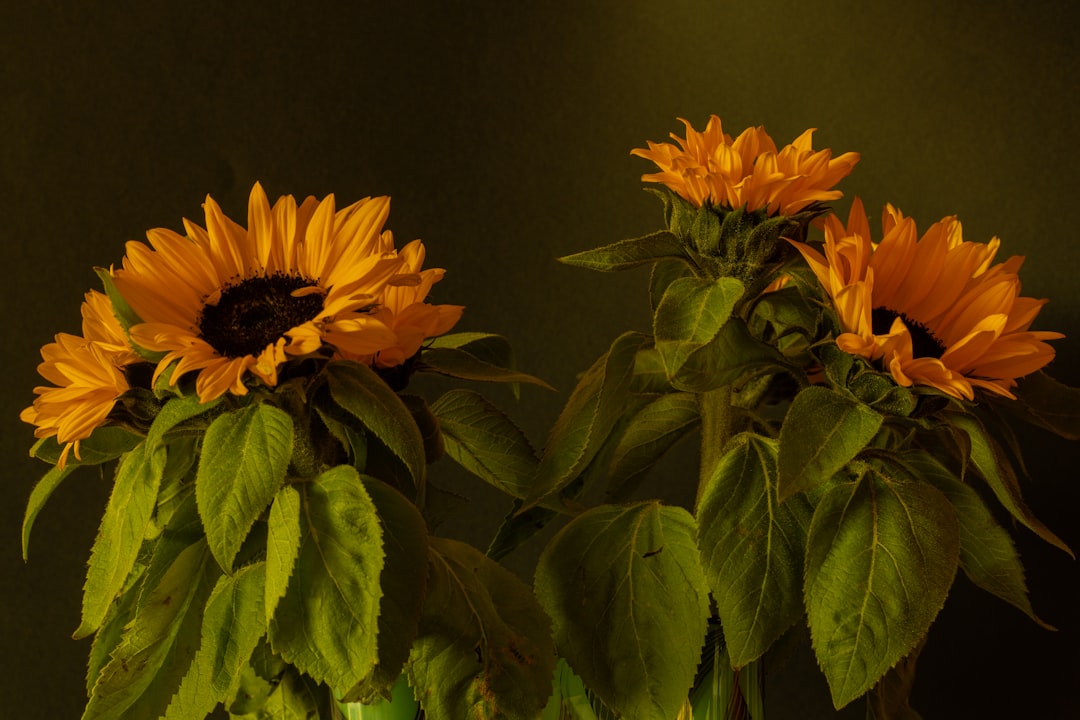
Houseplants are a wonderful addition to any home, bringing a touch of nature indoors and enhancing the aesthetic appeal of your living space. However, it can be disheartening to see your beloved houseplants leaning or growing lopsided. But fear not! With these expert tips, you can help your houseplants grow upright and thrive.
### Understanding Why Houseplants Lean
Before you can correct a leaning or lopsided plant, it's important to understand why it's happening. There are several common reasons for this issue:
- Uneven Light Exposure: Houseplants naturally grow towards the light source. If your plant is placed near a window and only receives light from one side, it will start to lean in that direction. This is known as phototropism.
- Weak Stems: Some houseplants have naturally weak stems, especially if they are not getting enough nutrients or are growing in poor soil. This can cause the plant to lean or flop over.
- Overwatering or Underwatering: Improper watering can also lead to leaning plants. Overwatering can cause the roots to rot, making the plant unstable. Underwatering, on the other hand, can cause the plant to become weak and droopy.
- Heavy Top Growth: If your plant has a lot of foliage on one side, it can become top-heavy and lean in that direction.
### Correcting a Leaning Houseplant
Once you've identified the cause of your plant's leaning, you can take steps to correct it. Here are some expert tips:
Rotate Your Plant Regularly: To ensure even light exposure, rotate your plant every few days. This will prevent it from growing towards the light source and help it grow upright. You can mark one side of the pot with a small sticker or piece of tape to keep track of which way you've rotated it.
Provide Adequate Support: If your plant has weak stems, you can provide support by using stakes or a plant trellis. Gently tie the plant to the support using soft plant ties or twine. Make sure not to tie it too tightly, as this can damage the stems.
Adjust Your Watering Routine: Check the soil moisture regularly and water your plant only when the top inch of soil is dry. Avoid overwatering, as this can lead to root rot. If you're not sure how much water your plant needs, do some research on the specific species or consult a gardening expert.
Prune Your Plant: If your plant has heavy top growth, you can prune it to reduce the weight and encourage more balanced growth. Use sharp, clean pruning shears to remove any dead, damaged, or overgrown branches. You can also pinch back the tips of the stems to promote bushier growth.
Repot Your Plant: If your plant is root-bound or growing in poor soil, it may benefit from being repotted. Choose a pot that is slightly larger than the current one and fill it with fresh, well-draining potting soil. Gently remove the plant from its old pot, loosen the roots, and place it in the new pot. Water the plant thoroughly after repotting.
### Preventing Future Leaning
In addition to correcting a leaning plant, you can take steps to prevent it from happening in the future:
Choose the Right Location: Place your houseplants in a location that receives bright, indirect light. Avoid placing them in direct sunlight, as this can scorch the leaves. You can also use artificial grow lights if you don't have enough natural light in your home.
Use High-Quality Soil: Invest in high-quality potting soil that is rich in nutrients and drains well. This will provide your plants with the support and nutrients they need to grow strong and healthy.
Fertilize Regularly: Feed your houseplants with a balanced fertilizer every few weeks during the growing season. This will help them grow strong and healthy and prevent nutrient deficiencies.
Monitor Your Plants: Keep an eye on your plants regularly and look for any signs of stress or disease. Early detection and treatment can prevent problems from getting worse and help your plants stay healthy.
By following these expert tips, you can help your houseplants grow upright and thrive. Remember, every plant is different, so it may take some trial and error to find the best solution for your specific plant. With a little patience and care, you can enjoy beautiful, healthy houseplants in your home for years to come.