
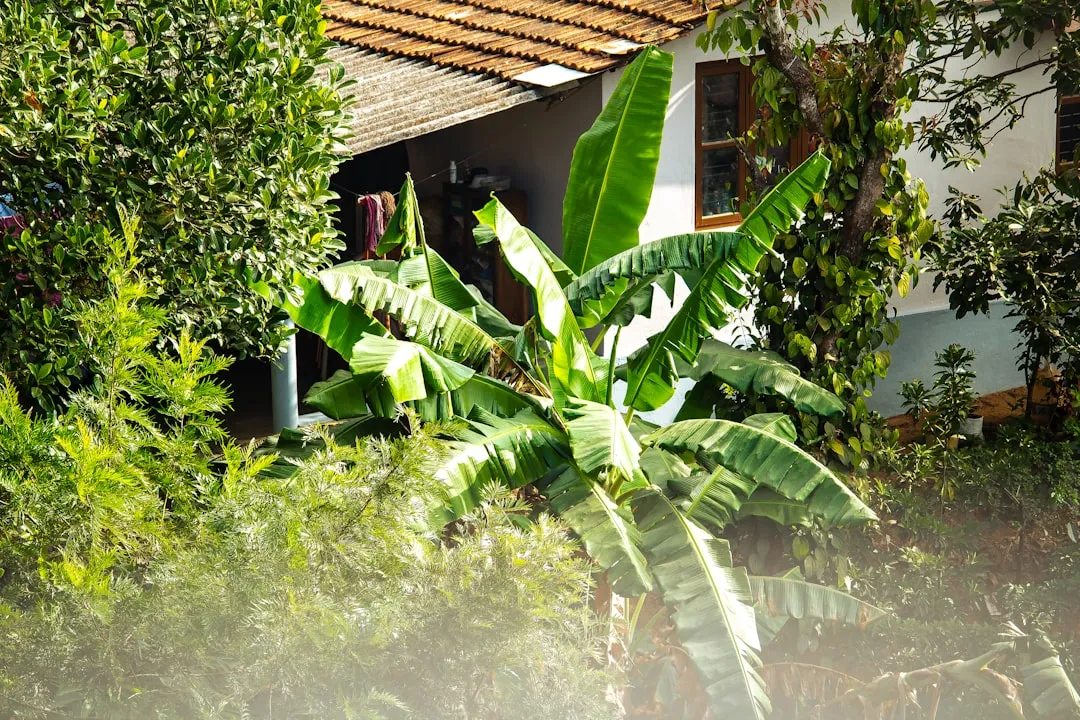
Indoor gardening has witnessed a surge in popularity, and one plant that can truly crank up the indoor drama is the elephant ear (Alocasia spp.). This magnificent plant is a show - stopper, especially when placed in a brightly lit room, thanks to its colossal leaves that make a bold statement.
Elephant ear plants are native to tropical regions, and they bring a touch of the exotic into your home. Their large, arrow - shaped leaves can vary in color and pattern, from deep greens to variegated hues, adding an element of visual interest to any indoor space. But to make these tropical wonders thrive indoors, a bit of know - how is required.
First and foremost, lighting is crucial. Elephant ear plants love bright, indirect light. A spot near a north - or east - facing window is ideal. Direct sunlight can scorch their delicate leaves, so if you have a south - or west - facing window, it's best to use a sheer curtain to filter the light. Insufficient light, on the other hand, can lead to leggy growth and smaller leaves. So, finding the right balance is key.
Next up is watering. These plants prefer consistently moist soil, but they don't like to sit in water. Overwatering can cause root rot, which is a common problem for indoor elephant ear plants. A good rule of thumb is to water when the top inch of soil feels dry to the touch. During the growing season (spring and summer), you may need to water more frequently, while in the fall and winter, you can cut back on watering.
Humidity is another important factor. Since elephant ear plants are tropical, they thrive in high - humidity environments. In dry indoor settings, you can increase humidity by using a humidifier, placing a tray of water near the plant, or grouping it with other plants. Misting the leaves can also help, but be careful not to over - mist as this can lead to fungal diseases.
Fertilizing is essential for the healthy growth of elephant ear plants. During the growing season, use a balanced, water - soluble fertilizer every two to four weeks. This will provide the necessary nutrients for lush foliage. However, in the winter, when the plant is in a dormant phase, you can stop fertilizing.
Potting and soil are also important considerations. Choose a well - draining potting mix that is rich in organic matter. A mix of peat moss, perlite, and vermiculite works well. Repotting may be necessary every one to two years, especially if the plant has outgrown its current pot. When repotting, choose a pot that is one size larger than the current one.
Pruning is a simple yet important task. Remove any yellow or damaged leaves regularly to keep the plant looking its best and to prevent the spread of diseases. You can also trim back any overly long or unruly stems to maintain the plant's shape.
Finally, be on the lookout for pests. Common pests that can affect elephant ear plants include spider mites, aphids, and mealybugs. Check the leaves regularly for signs of infestation, such as webbing, small insects, or sticky residue. If you notice any pests, treat the plant with an appropriate insecticide or use natural remedies like neem oil.
In conclusion, growing an elephant ear plant indoors can be a rewarding experience. With the right care in terms of lighting, watering, humidity, fertilizing, potting, pruning, and pest control, you can enjoy the beauty of this big - leaf plant and create a tropical oasis in your home.