
• HOME
  • Container Gardens
  • Houseplants
  • Edible Gardening
  • Garden Design
  • Caring for Your Yard
  • Flowers
  • Pest & Problem Fixes
  • Trees, Shrubs & Vines
  • Landscaping
  • Garden Plans
  • Gardening Routine
  • Terms of Use
  • About Us
  • Privacy Policy
frostwood.topfrostwood.top
  • HOME
  • Container Gardens
  • Houseplants
  • Edible Gardening
  • Garden Design
  • Caring for Your Yard
  • Flowers
  • Pest & Problem Fixes
  • Trees, Shrubs & Vines
  • Landscaping
  • Garden Plans
  • Gardening Routine
frostwood.top frostwood.top
frostwood.top » Houseplants » What’s the Difference Between Monstera and Split-Leaf Philodendron?
Houseplants

What’s the Difference Between Monstera and Split-Leaf Philodendron?

10.2K
102
39
What’s the Difference Between Monstera and Split-Leaf Philodendron?

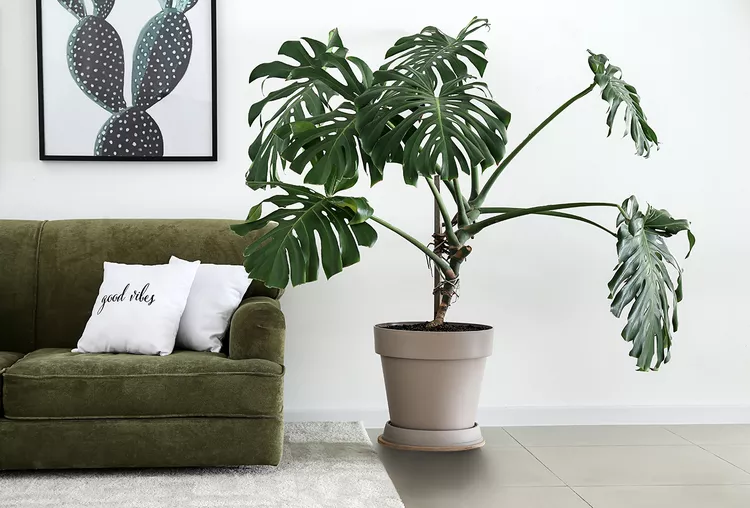
Through social media, millennials have rekindled a love of houseplants. One plant has become especially famous—or at least Instagram-famous. It’s immediately evocative of a tropical rainforest: huge, dark green, waxy leaves, with interesting perforations in them that don’t even imply poor care. This is Monstera deliciosa. Or is it a split-leaf philodendron?

The monstera, as it’s often called, is tropically native to Mexico, where it’s mainly prized for its fruit (hence the scientific name). But it also thrives as a houseplant: It doesn’t need much water, tolerates medium amounts of sunlight, and can grow impressively large.

This is also a plant with a wide variety of names, many referring to its tasty fruit (“fruit salad plant,” “monster fruit”) and some to its leaves. Those leaves, in the right environment, develop holes. “Swiss cheese plant” is one monstera nickname that references to those holes. Another is split-leaf philodendron.

Philodendrons are a pretty large genus of flowering plants; if you’re into gardening, you’re probably familiar with some of its members, like the peace lily. But the monstera is not, technically speaking, a philodendron at all.

Both the monstera and true philodendrons are part of the arum family, a much larger group of plants that also includes the ever-popular pothos, one of the world’s prettiest and easiest houseplants. These plants are all pretty similar: They have similar water and light needs, they come from roughly the same climate, and they contain calcium oxalate, which makes them toxic to both humans and pets. Many of these plants have interesting leaf shapes, with lacy fingers, broad lobes, heart-shaped leaves, or bright pink veins. The monstera certainly looks and acts like a philodendron, even though it isn’t classified as one.

This is where it gets complicated. There are two true species of philodendron that also go by the name split-leaf philodendron: Philodendron bipinnatifidum and Philodendron selloum. These plants are both completely different plants than monstera, but go by the same nickname in some cases. No wonder we’re confused!

Plant naming can be tricky, with plants having totally different names depending on where you are or who’s describing them. Common plant names can even differ by region and generation. You might want to start brushing up on your Latin names!

Related Posts

29.4K
882
282

16 Pretty and Simple Combinations of Window Box Flowers for Shade

30.5K
1.2K
511

The 3 Best Types of Berries to Grow in Containers, and How to Grow Them

16K
960
326

9 Terrarium Fairy Garden Ideas That Are Utterly Adorable

11.8K
118
55

Transform Your Indoor Space with a Handmade Plant Stand

11.2K
560
207

The Secret to Thriving House Ferns

8.2K
658
263

The Enchanting Fusion in Connecticut's Gardens

13.5K
539
183

25 Top Plant Picks from the Better Homes & Gardens Test Garden®

38K
3.4K
513

How to Plant and Grow Freesia

40.4K
2.8K
791

Unleashing the Beauty of Lantana: A Gardener's Guide

38K
2.7K
744

How Often—and How Long—You Should Water Your Grass

24K
480
120

How I Boost Harvests by Succession Planting My Small Vegetable Garden

11.3K
1.1K
531

The Colorful World of Bell Peppers: A Guide to Cultivation

4.1K
40
13

6 Ways to Get Rid of Aphids on Milkweed Without Harming Monarchs

16.9K
674
208

14 Weeds with Purple Flowers You Need to Know

37.4K
748
201

The Enchanting Spring Messenger: Chinese Fringe Flower

8.8K
263
36

Unveiling the Secrets of Heat - Loving Oleander Shrubs

11.8K
705
246

Transform Your Space into a Wildlife Haven with These Garden Blueprints

44.9K
897
313

This Colorful Herb Garden Plan Enhances Your Yard and Dinner Plate

16.2K
809
307

Transform Your Small Space with a Colorful Flower Oasis

2.7K
274
123

15 Super Plants for Texas Landscapes

16 Pretty and Simple Combinations of Window Box Flowers for Shade
The 3 Best Types of Berries to Grow in Containers, and How to Grow Them
9 Terrarium Fairy Garden Ideas That Are Utterly Adorable
Transform Your Indoor Space with a Handmade Plant Stand
The Secret to Thriving House Ferns
The Enchanting Fusion in Connecticut's Gardens
25 Top Plant Picks from the Better Homes & Gardens Test Garden®
How to Plant and Grow Freesia
Unleashing the Beauty of Lantana: A Gardener's Guide
How Often—and How Long—You Should Water Your Grass
How I Boost Harvests by Succession Planting My Small Vegetable Garden
The Colorful World of Bell Peppers: A Guide to Cultivation
6 Ways to Get Rid of Aphids on Milkweed Without Harming Monarchs
14 Weeds with Purple Flowers You Need to Know
The Enchanting Spring Messenger: Chinese Fringe Flower
Unveiling the Secrets of Heat - Loving Oleander Shrubs
Transform Your Space into a Wildlife Haven with These Garden Blueprints
This Colorful Herb Garden Plan Enhances Your Yard and Dinner Plate
Transform Your Small Space with a Colorful Flower Oasis
15 Super Plants for Texas Landscapes
frostwood.top ©2026
  • Terms of Use
  • About Us
  • Privacy Policy