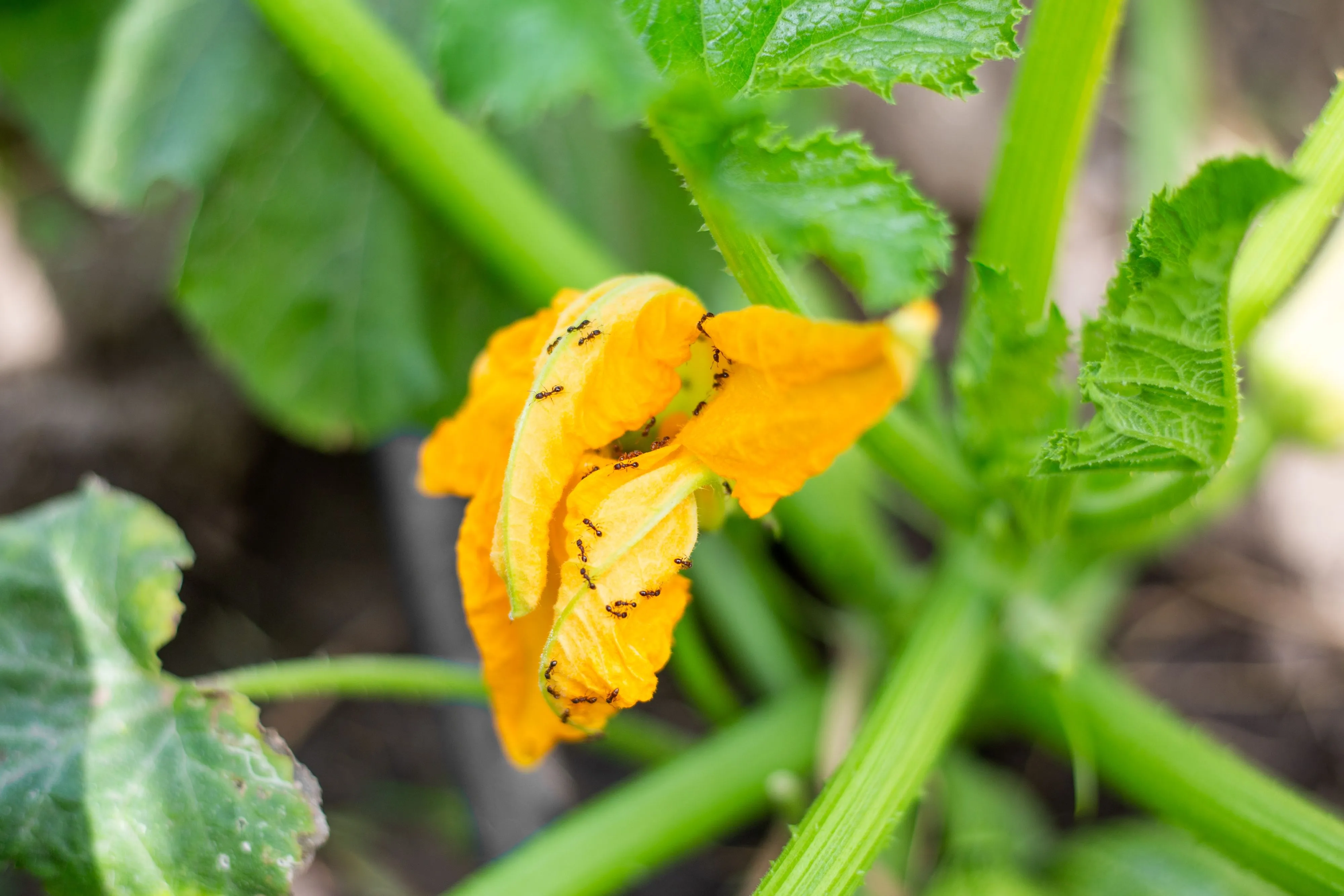
When you’re seeing more ants around your garden than usual, figuring out why can help you keep them from getting out of control. Although there are a number of reasons why ant infestations occur, ants are more problematic in spaces with easy food sources and are more likely to take up residence in gardens that are filled with certain plants. Here’s a look at the most common plants that attract ants and natural ways to reduce ant issues in your garden.
Peonies
Ants are such common visitors to peony flowers that there’s a long-standing garden myth that says peony blooms won’t even open without ants around. Although this myth has been debunked, it is true that peonies are highly attractive to ants, thanks to the sticky substance peony buds secrete before they open. Those ants help protect peony flowers from some other garden pests; however, if you don’t want ants around, swap out peonies for plants that are less attractive to ants, like coneflowers.
Sunflowers
Like peonies, sunflowers produce a sweet nectar in their flowers that draws ants in, but they also attract aphids, which in turn attract ants because of the honeydew the make. Controlling aphid problems with organic soap sprays or companion planting can reduce some ant issues on sunflower plants, but you can also reduce ant activity by growing plants that ants hate near your sunflower patch. This includes plants like alliums, chrysanthemums, and geraniums.
Fruit Trees
Ripe and overripe fruit from apples, pears, and other fruit trees serve as magnets for ants and other insects, like wasps. Make sure to harvest fruit as soon as it ripens and rake up windfalls so they don’t attract unwanted insects. You may also have luck using fruit protection bags, which can be wrapped over developing fruit to keep ants and other pests from damaging your produce before you get a chance to pick it.
Roses
Roses are one of the most beloved plants in the world of gardening, but they also have a tendency to attract ants. This is partly due to their sugary sweet nectar, but it’s also a result of aphids, which roses often attract. As with sunflowers, aphid issues can be managed with soap sprays, but you can also reduce aphid infestations by growing plants that attract ladybugs and other aphid predators near your roses.
Hibiscus
As with roses, hibiscus plants attract ants with their nectar and their tendency to host aphid infestations. A strong blast from your garden hose is sometimes all you need to dislodge aphids. But you can also manage aphids by growing plants like dill and other members of the carrot family, yarrow, or sweet alyssum near your hibiscus and other plants that are prone to aphid problems.
Okra
While some ornamental plants naturally attract ants, certain edible plants can lure ants in too. Okra, in particular, is much sought after by ants due to its sticky sap and vulnerability to aphids. Harvesting okra pods as soon as they ripen can reduce some ant and aphid issues, but you may want to skip growing okra for a season or two if you’re really struggling with garden ants.
Eggplant
In a recent study, okra was the veggie that was most likely to draw in ants, but eggplants were a close second. As with other plants on this list, ants often are drawn to eggplants due to their tendency to attract aphids, as well as other sap-sucking insects like scale. Managing pest problems with organic products and companion planting can help, but you may also want to swap out eggplants entirely and grow other nightshades like tomatoes and peppers instead.
Azaleas
Aphids and scale insects love azalea plants too, so it’s no surprise that azaleas can attract ants. For the most part, ants don’t damage azaleas or other plants and it’s fine to leave small infestations be. However, larger infestations of ants on azaleas and other plants usually means that aphid problems are getting out of hand and that management may be necessary.
Hostas
Hostas are also aphid prone, but they produce a sweet nectar that ants love too. Aside from aphid management, watering hostas regularly can naturally reduce some ant problems as ants generally prefer dry soil over damp earth. Hostas happen to love consistent watering, so this ant management tactic is a win-win for you and your hostas too.
Cowpeas
In terms of veggies, cowpeas aren’t especially prone to aphid problems, but they do attract ants anyway. This is because cowpeas have special glands on their stems and leaves that secrete a sweet nectar which naturally attracts ants and other beneficial bugs. Due to the biology of cowpea plants, there’s no easy workaround to make cowpeas less attractive to ants, so it’s usually best to grow other varieties of beans or peas if you’re worried about attracting ants.
- <span>Gardening</span>
- <span>Pest & Problem Fixes</span>
- <span>Garden Pests</span>
David Owens, Veronica Yurchak, and Ben Sammarco. Ants in My Plants: Pavement Ant Feeding on Vegetable Transplants. December 2025. University of Delaware Carvel Research and Education Center, University of Maryland Wye Research and Education Center