
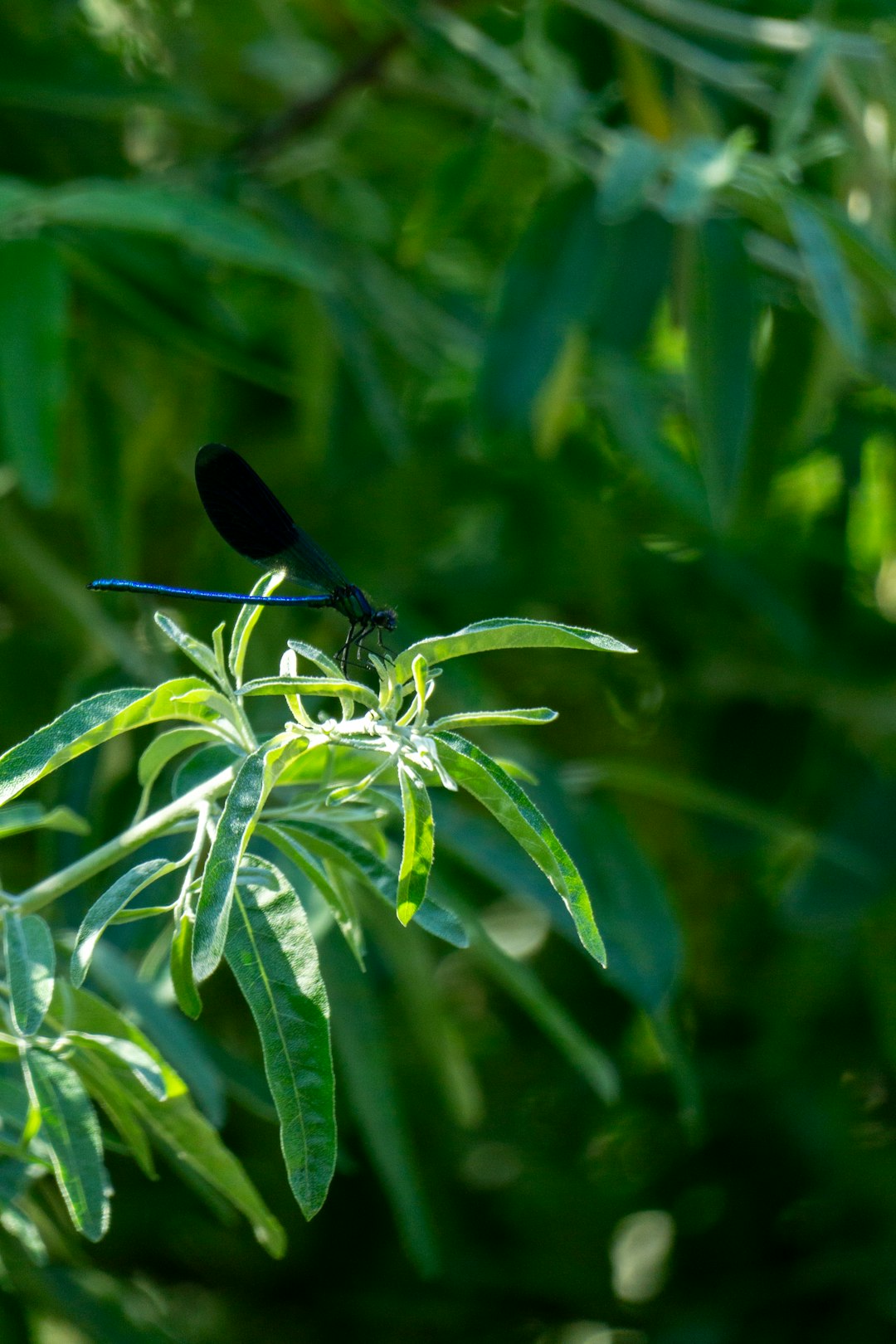
In the world of gardening, the battle against pests is a never - ending one. Chemical pesticides may seem like a quick fix, but they often come with a host of negative consequences, from harming beneficial insects to polluting the environment. However, there's a natural and charming solution that can help you keep your garden healthy and pest - free: ladybugs. These little red and black beetles are not only cute but also voracious predators of many common garden pests.
Companion planting is one of the most effective ways to attract ladybugs to your garden. Certain plants act as magnets for these beneficial insects, creating an inviting environment where they can thrive. One such plant is dill. Dill produces small, yellow flowers that are rich in nectar, which ladybugs love. Planting dill near your vegetable beds can draw ladybugs in, and they'll stay around to feast on aphids, mites, and other pests that may be attacking your crops. Another great companion plant is fennel. Fennel has a similar effect as dill, with its umbrella - shaped clusters of flowers providing a sweet treat for ladybugs.
Calendula is yet another plant that can help you attract ladybugs. Its bright, orange - yellow flowers are not only beautiful but also highly appealing to these beetles. Calendula can be planted throughout your garden, adding a splash of color while also serving as a natural pest control agent. Additionally, yarrow is a hardy perennial that produces clusters of tiny, white or pink flowers. Ladybugs are attracted to yarrow's flowers and will use the plant as a resting and hunting ground.
Creating a DIY ladybug house is another fun and practical way to encourage ladybugs to take up residence in your garden. Building a ladybug house is relatively simple and can be a great project for the whole family. You'll need a few basic materials, such as a small wooden box, some straw or shredded paper, and a few small sticks. First, drill several small holes in the sides and top of the wooden box. These holes will allow the ladybugs to enter and exit the house. Then, fill the box with the straw or shredded paper, which will provide a cozy place for the ladybugs to sleep and hide from predators. Finally, attach the small sticks to the outside of the box to give the ladybugs a place to land and climb.
Place the ladybug house in a sunny, sheltered spot in your garden, preferably near the plants that attract ladybugs. You can also add a small dish of water nearby to keep the ladybugs hydrated. Once the ladybugs discover their new home, they'll start to explore your garden and feast on the pests.
It's important to note that when you're trying to attract ladybugs, you should avoid using chemical pesticides. These pesticides can kill not only the pests but also the beneficial insects like ladybugs. Instead, opt for natural pest control methods. For example, you can use neem oil, which is a natural insecticide derived from the neem tree. Neem oil is effective against a wide range of pests, including aphids, whiteflies, and mealybugs, but it's relatively safe for ladybugs and other beneficial insects.
Another natural pest control method is introducing beneficial nematodes to your soil. These microscopic worms prey on soil - dwelling pests such as grubs and root maggots. By using beneficial nematodes, you can reduce the population of pests in your garden without harming the ladybugs.
Maintaining a healthy garden ecosystem is crucial for attracting and keeping ladybugs. This means providing a diverse range of plants, including both flowering plants and vegetables. A diverse garden will offer a variety of food sources for ladybugs, as well as other beneficial insects. You should also make sure to keep your garden clean and free of debris. Fallen leaves and dead plants can harbor pests and diseases, so regularly removing them will help keep your garden in top shape.
In conclusion, attracting ladybugs to your garden through companion planting and DIY ladybug houses is a wonderful way to achieve natural pest control. By creating a welcoming environment for these beneficial insects, you can reduce the need for chemical pesticides and enjoy a healthy, thriving garden. So, roll up your sleeves, get planting, and let nature's tiny protectors do their job!