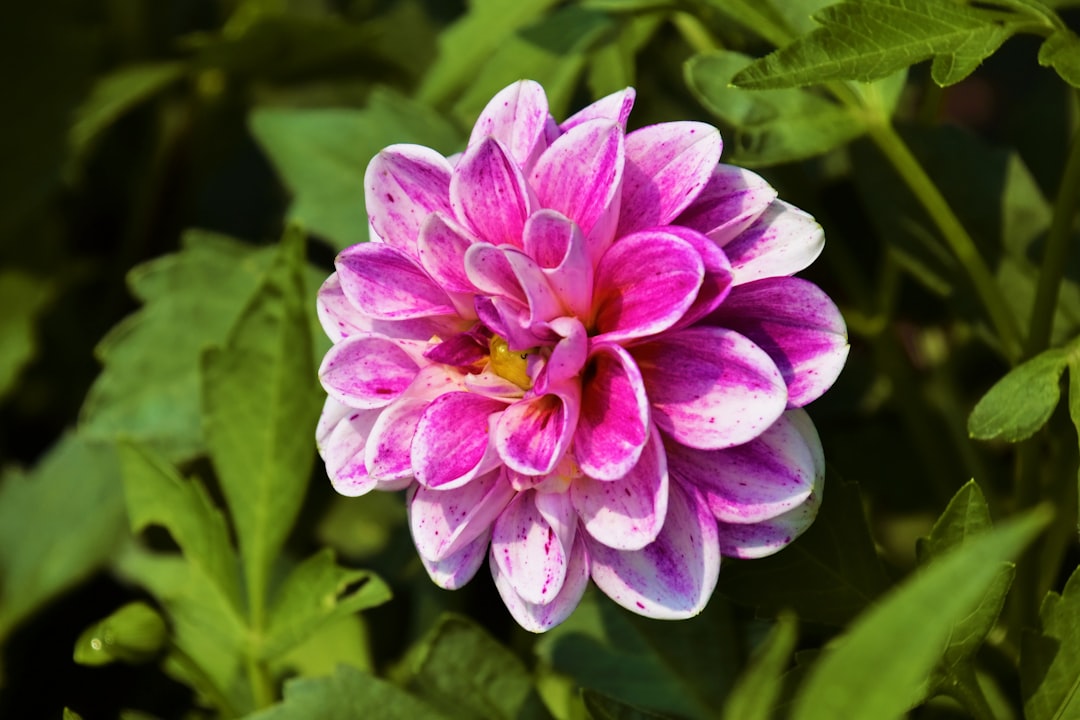
Unwanted plants, often referred to as weeds, can be a persistent nuisance in any garden. They have a knack for popping up among your treasured blooms, disrupting the carefully curated aesthetic and competing with your plants for essential resources such as water, nutrients, and sunlight. However, with the right tools and techniques at your disposal, you can effectively eliminate these invaders and restore the beauty and health of your garden.
One of the first steps in combating weeds is to understand their life cycle. Different weeds have different growth patterns and reproductive strategies, which means that the most effective control methods may vary depending on the type of weed you're dealing with. For example, annual weeds complete their life cycle in a single growing season, producing seeds that can germinate the following year. Perennial weeds, on the other hand, live for multiple years and can be more difficult to eradicate because they have established root systems that can regenerate new growth.
Once you've identified the types of weeds in your garden, you can choose the appropriate control methods. There are several options available, ranging from manual removal to chemical herbicides. Manual removal, such as pulling or hoeing, is a labor-intensive but effective way to get rid of weeds, especially for small areas or when dealing with young weeds. It's important to remove the entire weed, including the roots, to prevent regrowth. However, this method may not be practical for larger gardens or for weeds with deep roots.
Another option is to use mulch. Mulch is a layer of organic or inorganic material that is spread over the soil surface to suppress weed growth, retain moisture, and improve soil health. Organic mulches, such as wood chips, straw, or shredded leaves, break down over time and add nutrients to the soil. Inorganic mulches, such as gravel or landscape fabric, do not break down and can provide long-term weed control. When applying mulch, make sure to spread it evenly and thickly enough to block out sunlight, which is essential for weed growth.
Chemical herbicides can also be an effective way to control weeds, but they should be used with caution. Herbicides are chemicals that are designed to kill or inhibit the growth of plants. There are two main types of herbicides: selective and non-selective. Selective herbicides are designed to target specific types of weeds without harming your desirable plants. Non-selective herbicides, on the other hand, will kill any plant they come into contact with, so they should be used carefully to avoid damaging your garden. When using herbicides, always follow the instructions on the label and wear protective clothing and equipment.
In addition to using the right tools and techniques, it's also important to maintain a healthy garden environment. This includes proper watering, fertilizing, and pruning. Overwatering can create a moist environment that is conducive to weed growth, while under-watering can stress your plants and make them more susceptible to weed competition. Fertilizing your plants with the right nutrients can help them grow strong and healthy, making them more competitive against weeds. Pruning your plants regularly can also help to improve air circulation and reduce the risk of weed growth.
Finally, it's important to be persistent and consistent in your weed control efforts. Weeds are constantly germinating and growing, so it's important to stay on top of them. Regularly inspect your garden for weeds and remove them as soon as you see them. By taking a proactive approach to weed control, you can keep your garden looking beautiful and healthy all season long.
In conclusion, unwanted plants can be a frustrating problem in any garden, but with the right tools and techniques, you can effectively eliminate these invaders and restore the beauty and health of your garden. By understanding the life cycle of weeds, choosing the appropriate control methods, maintaining a healthy garden environment, and being persistent in your efforts, you can keep your garden free of weeds and enjoy the fruits of your labor.