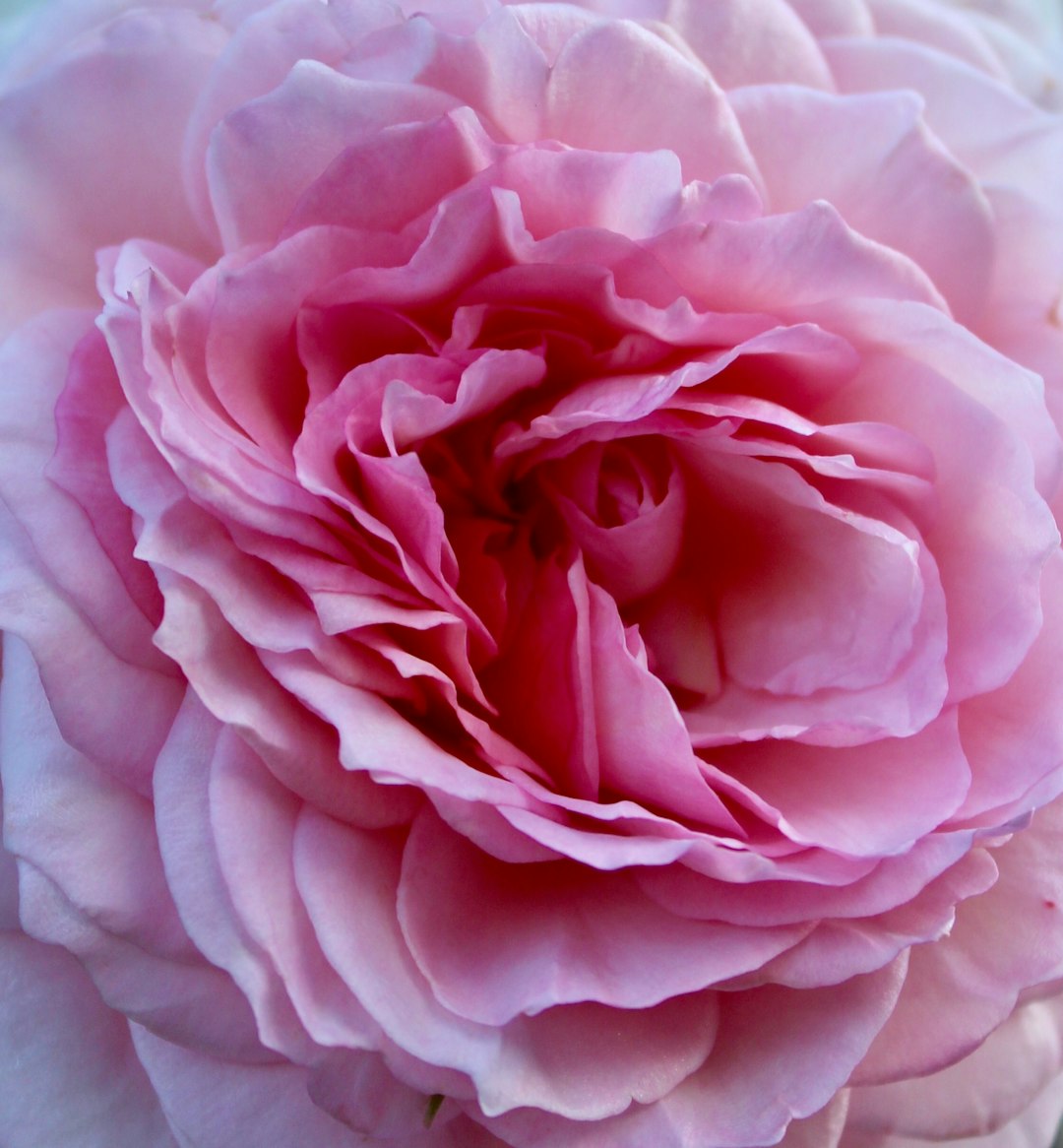
Peonies are one of the most beloved flowers in the garden, known for their large, fragrant blooms and stunning colors. However, many gardeners have noticed that ants often seem to be attracted to these beautiful flowers. This leads to the question: are ants friends or foes to your peonies? And if they are a problem, how can you remove them before bringing cut peony flowers indoors?
### The Ant - Peony Relationship
First, let's understand why ants are so commonly found on peonies. Peonies produce a sweet, sticky substance called nectar on their flower buds. This nectar is a rich source of sugar for ants, which is why they are drawn to the peony plants. In fact, this relationship between ants and peonies is often considered a form of mutualism. The ants get a food source from the peony nectar, and in return, some believe that the ants may help to protect the peonies from other pests.
Ants are known to be aggressive defenders of their food sources. They will attack and drive away other insects that might try to feed on the peony buds or leaves. For example, aphids, which can cause significant damage to peonies by sucking the sap from the plants, may be deterred by the presence of ants. The ants will actively hunt and remove aphids from the peony plants, acting as a natural form of pest control.
### When Ants Become a Problem
While the ant - peony relationship can be beneficial in the garden, it can become a nuisance when you want to bring cut peony flowers indoors. No one wants a bunch of ants crawling around in their home. Additionally, if there is an over - abundance of ants on the peonies, it could potentially indicate an underlying pest problem. For instance, if there are a large number of aphids on the peonies, the ants may be attracted in greater numbers to feed on the honeydew produced by the aphids.
Another issue is that the sticky nectar left behind by the ants can make the peony flowers messy and difficult to handle. It can also attract other pests indoors, such as flies, which can be a real annoyance.
### Removing Ants from Cut Peonies
If you've decided that you want to remove the ants from your cut peony flowers before bringing them inside, there are several effective methods.
Shaking Method: One of the simplest ways is to gently shake the peony flowers outdoors. Most of the ants will fall off due to the movement. However, this method may not remove all the ants, especially those that are firmly attached to the flower buds.
Water Bath: Fill a large bucket or sink with lukewarm water. Submerge the cut peony flowers in the water for a few minutes. The ants will be forced to leave the flowers and float to the surface. You can then carefully lift the peonies out of the water and gently shake off any remaining water droplets. Make sure not to leave the peonies in the water for too long, as this can damage the flowers.
Soapy Water Spray: Mix a small amount of mild dish soap with water in a spray bottle. Spray the solution directly on the peony flowers, focusing on the areas where the ants are concentrated. The soap will break down the ants' exoskeletons and cause them to suffocate. After spraying, rinse the peonies with clean water to remove any soap residue.
Use of Natural Repellents: You can also use natural ant repellents such as cinnamon or citrus peels. Sprinkle cinnamon around the base of the peony plants in the garden to deter ants from climbing up. For cut peonies, you can place a few citrus peels in the water where you are storing the flowers. The strong scent of the citrus will repel the ants.
### Preventing Ants in the Garden
To prevent ants from becoming a problem in the first place, it's important to keep your peony plants healthy. Regularly inspect the plants for signs of pests such as aphids. If you find aphids, you can use an insecticidal soap or a natural predator like ladybugs to control the population.
Keep the area around the peonies clean and free of debris. Ants are attracted to areas where they can build nests and find food. By removing fallen leaves, weeds, and other organic matter, you can make the area less appealing to ants.
You can also create a physical barrier around the peony plants. For example, you can place a band of sticky tape around the base of the plant. The ants will get stuck on the tape when they try to climb up the plant.
In conclusion, ants can have both positive and negative impacts on your peonies. While they can act as a natural form of pest control in the garden, they can be a nuisance when it comes to bringing cut flowers indoors. By understanding the relationship between ants and peonies and using the appropriate methods to remove and prevent ants, you can enjoy the beauty of your peonies both in the garden and in your home.