
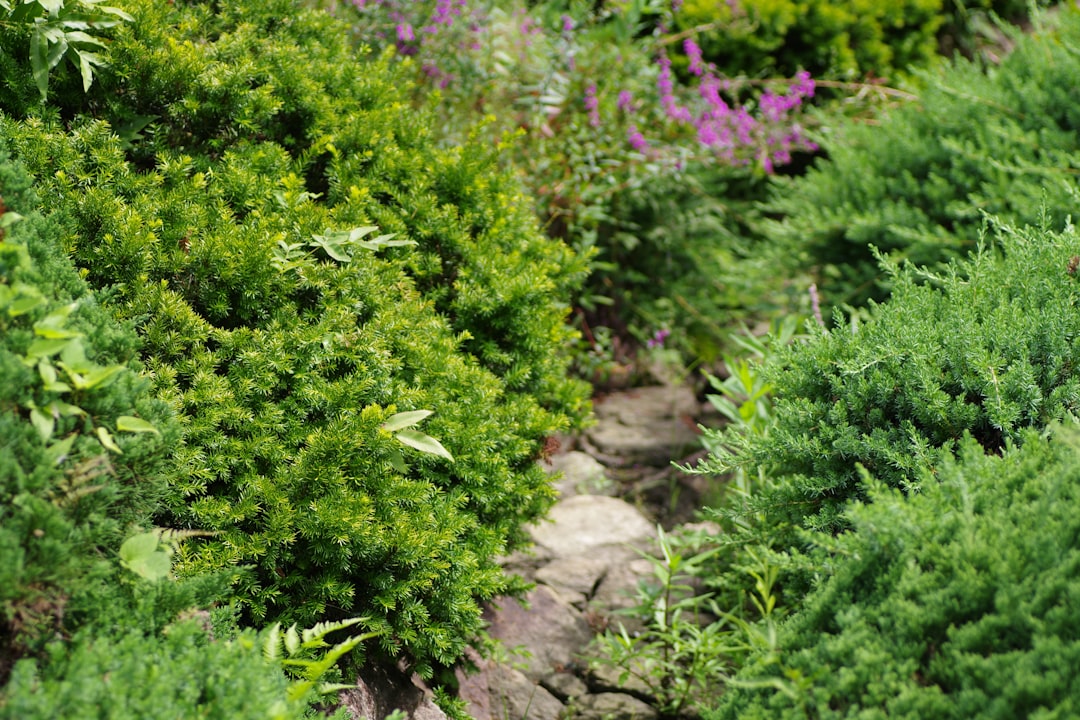
When it comes to gardening, taking care of trees and shrubs is a crucial aspect. One of the practices that often comes into question is pruning, especially during the summer months. As it turns out, pruning trees in summer may do more harm than good, except in certain cases. In this article, we'll explore what an arborist recommends to avoid damaging your trees.
First, let's understand why summer pruning can be a risky move. During the summer, trees are in a state of active growth. They are using their energy to produce leaves, flowers, and fruits. Pruning at this time can disrupt this natural growth process. When you cut off branches, the tree has to redirect its energy to heal the wounds. This can weaken the tree and make it more susceptible to diseases and pests.
Another issue with summer pruning is that it can expose the tree to excessive sunlight. The leaves of a tree act as a natural sunscreen, protecting the bark from the harsh rays of the sun. When you prune off a significant number of branches, the bark can be exposed to direct sunlight, which can cause sunscald. Sunscald is a condition where the bark of the tree is damaged by the sun, leading to cracks and peeling. This can further weaken the tree and make it more vulnerable to other problems.
However, there are certain situations where summer pruning may be necessary. For example, if you notice any dead, diseased, or damaged branches on your tree, it's important to remove them as soon as possible. These branches can pose a safety hazard and can also spread diseases to other parts of the tree. Additionally, if a branch is rubbing against another branch or is growing in an undesirable direction, it may be appropriate to prune it in the summer.
So, what does an arborist recommend to avoid damaging your trees during the summer? First and foremost, it's important to have a clear understanding of the tree species you are dealing with. Different tree species have different growth patterns and pruning requirements. Some trees, such as oak and maple, are more sensitive to summer pruning than others. An arborist can help you determine the best time to prune your specific tree species.
Before you start pruning, it's also a good idea to inspect the tree carefully. Look for any signs of disease, pests, or structural issues. If you notice any problems, it's best to consult an arborist before proceeding with the pruning. They can provide you with the appropriate treatment and advice on how to proceed.
When it comes to the actual pruning process, it's important to use the right tools. Make sure your pruning tools are sharp and clean. Dull tools can cause jagged cuts, which can take longer for the tree to heal. Clean tools help prevent the spread of diseases from one tree to another. It's also important to make the cuts at the right location. Avoid cutting too close to the trunk or leaving a stub. A proper cut should be made just outside the branch collar, which is the swollen area at the base of the branch.
After pruning, it's important to take care of the tree. Water the tree regularly, especially during dry periods. This will help the tree recover from the pruning and promote healthy growth. You may also want to consider applying a layer of mulch around the base of the tree. Mulch helps retain moisture in the soil, suppresses weeds, and provides nutrients to the tree.
In conclusion, while pruning trees in summer can be a risky move, there are certain situations where it may be necessary. By following the recommendations of an arborist and taking the proper precautions, you can avoid damaging your trees and ensure their long - term health. Remember, caring for trees and shrubs is an ongoing process that requires knowledge, patience, and the right approach.